
Celebrity
Ross Brawn Net Worth, Age, Wife, Children, Career and More

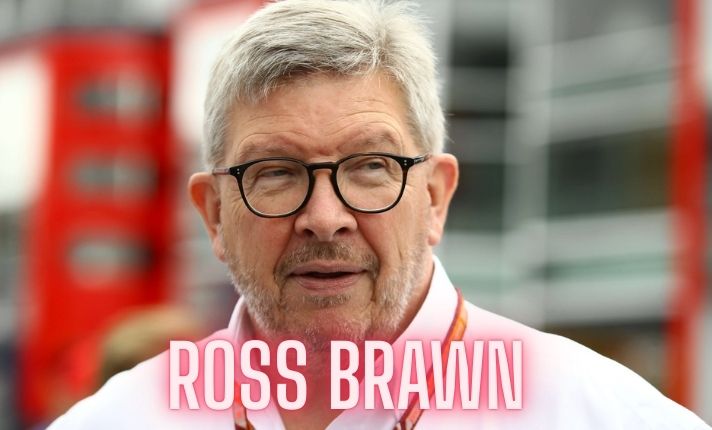
Ross Brawn is one of the most influential figures in modern Formula 1. His career spans engineering, technical leadership, race strategy, team ownership, and executive governance. He shaped championship eras at multiple teams and helped redesign Formula 1’s regulations in the Liberty Media era. His impact continues to influence engineering, competition, and motorsport strategy across the world.
- Quick Facts
- Early Life and Education
- Ross Brawn Career Journey
- Early Industry Roles and Entry into Formula 1
- Technical Growth and World Sportscar Success
- Championship Era with Benetton
- The Ferrari Dream Team Era
- Team Principal of Honda and the Birth of Brawn GP
- Transition to Mercedes
- Executive Leadership under Liberty Media
- What is Ross Brawn’s Net Worth
- Personal Life and Relationships
- Controversies
- Impact on Formula 1 and Motorsport Strategy
- Conclusion
- FAQs
Quick Facts
| Key Fact | Details |
|---|---|
| Full Name | Ross James Brawn |
| Age | 70 years old |
| Date of Birth | 23 November 1954 |
| Parents | Gilbert Brawn and Lillian Brawn |
| Net Worth | 150 million USD approximate |
| Height | 6 feet 2 inches approximate |
| Spouse | Jean Brawn |
| Ethnicity | White British |
| Nationality | British |
| Source of Wealth | Motorsport leadership, team ownership, executive roles, consulting |
| Education | Apprenticeship at United Kingdom Atomic Energy Authority, Reading School |
Early Life and Education
Ross Brawn was born in Ashton under Lyne in Lancashire. His early childhood interests centred on machines, tools and solving mechanical problems. He developed a fascination with engines and racing after visiting Belle Vue Stadium in Manchester where he watched live motorsport events. This environment shaped his ambitions long before he entered professional engineering.
His family moved to Reading when he was 11. He attended Reading School, a grammar institution known for academic discipline. Brawn has often credited these years for teaching him structure, responsibility and analytical thinking. He was not from a motorsport background. His turning point was the moment he realised engineering could connect with racing. This insight led him to pursue technical training rather than a traditional university route.
In 1971 he joined the United Kingdom Atomic Energy Authority as a mechanical craft apprentice. He learned machining, systems engineering and instrument mechanics. These skills became foundational in his later motorsport work. His apprenticeship also included structured academic study in mechanical engineering. The combination of practical and theoretical learning allowed him to enter motorsport with strong technical confidence. Brawn later stated that the apprenticeship taught him discipline and attention to detail that shaped every role in his career.
Ross Brawn Career Journey
Ross Brawn’s career is closely connected to the evolution of Formula 1’s engineering culture. He built his reputation through hands on work before becoming one of the most successful technical leaders in motorsport history.
Early Industry Roles and Entry into Formula 1
Brawn entered professional motorsport in 1976 when he joined March Engineering in Bicester. He began as a milling machine operator. His productivity and understanding of machining allowed him to transition into the Formula 3 team as a trackside mechanic. This role exposed him to real time problem solving, race setup and performance adjustments.
His work attracted attention from Frank Williams, who hired him into Williams Grand Prix Engineering in 1978. Brawn first worked as a machinist before moving to research and development. He later became an aerodynamicist in the wind tunnel, where he learned airflow modelling and aerodynamic optimisation. These skills helped him build the strategic and technical mindset that defined his later success.
Technical Growth and World Sportscar Success
During the 1980s he held senior technical positions with several teams. He became technical director for the Jaguar sports car programme under Tom Walkinshaw Racing. His engineering leadership contributed to the team winning the 1991 World Sportscar Championship and the 24 Hours of Le Mans. These achievements strengthened his reputation beyond Formula 1 and demonstrated his ability to run high pressure technical operations.
Championship Era with Benetton
Ross Brawn returned to Formula 1 in 1991 as technical director for Benetton. His collaboration with Michael Schumacher was central to the team’s victories. Under his technical guidance Benetton won:
• 1994 Drivers Championship
• 1995 Drivers Championship
• 1995 Constructors Championship
He became known for innovative race strategy, especially fuel and pit stop decisions that often changed the outcome of races. His engineering judgement and calm decision making made him one of Formula 1’s most respected strategists.
The Ferrari Dream Team Era
In 1997 Brawn joined Jean Todt and Rory Byrne at Ferrari. This group rebuilt Ferrari after years without a world title. Their collective leadership created one of the most dominant periods in Formula 1 history. With Michael Schumacher driving, Brawn contributed to:
• Breaking Ferrari’s 21 year title drought
• Winning five consecutive Drivers Championships from 2000 to 2004
• Securing multiple Constructors Championships
Brawn’s influence included car development, race strategy, operational structure and long term planning. His ability to integrate engineering with race craft made Ferrari the benchmark of technical excellence during this era.
Team Principal of Honda and the Birth of Brawn GP
After leaving Ferrari in 2006 he took a sabbatical. In 2008 he returned as team principal of Honda Formula 1. When Honda withdrew from the sport, Brawn led a management buyout and rebranded the team as Brawn GP.
The 2009 season marked one of the most remarkable success stories in sport. Despite limited resources the team created a car with a significant aerodynamic advantage through the double diffuser concept. Brawn GP achieved:
• 2009 Drivers Championship with Jenson Button
• 2009 Constructors Championship
It was the only season in the team’s history. The triumph cemented Brawn as a strategic and technical genius within motorsport.
Transition to Mercedes
After acquiring Brawn GP, Mercedes Benz formed their works Formula 1 team. Brawn stayed on as team principal and retained an ownership stake. His presence was a major factor in Michael Schumacher returning from retirement in 2010.
Brawn built much of the operational and technical structure that later delivered Mercedes’s hybrid era dominance. Although he left the team at the end of 2013, many analysts believe the foundations he created directly enabled their long run of championships under Toto Wolff and Lewis Hamilton.
Executive Leadership under Liberty Media
In 2017 he returned to Formula 1 as Managing Director of Motorsports for Liberty Media. His responsibilities included:
• Overseeing sporting regulations
• Guiding technical rule changes
• Improving racing quality
• Restructuring competitive fairness
• Supporting long term strategic planning for the championship
He played a major role in designing the 2022 technical regulations which aimed to make cars follow each other more closely and enhance overtaking. Teams and analysts widely credit Brawn for modernising Formula 1 governance and restoring competitive balance.
He stepped back from his role at the end of 2022. By 2025 he continues to influence global motorsport through consulting and advisory work.
What is Ross Brawn’s Net Worth
According to Celebrity Net Worth and industry financial estimators, Ross Brawn’s net worth in 2024 and 2025 is approximately 150 million USD. The figure is based on accumulated earnings from race team leadership, team ownership, executive positions and long term investments.
Breakdown of his wealth includes:
• Earnings from technical and leadership roles at Benetton and Ferrari
• Proceeds from the sale of Brawn GP to Mercedes
• High level salary as Formula 1 Managing Director of Motorsports
• Consultancy and executive advising in motorsport
• Equity and long term holdings within the automotive and engineering sectors
His ownership stake in Brawn GP during the sale to Mercedes is widely believed to be one of the largest contributors to his overall wealth.
Personal Life and Relationships
Ross Brawn lives in the Henley on Thames region in Oxfordshire. He is married to Jean Brawn. They maintain a private personal life and avoid public discussions about family matters. Brawn is known for hobbies such as fishing, gardening and photography. His personal interests reflect a preference for quiet environments and analytical pastimes.
He has spoken publicly about valuing work life balance following decades of pressure in Formula 1. His private lifestyle contrasts with the high profile nature of his professional career. This distinction has helped preserve the privacy of his family.
Controversies
Ross Brawn has maintained one of the cleanest reputations in Formula 1. However a few public controversies have been associated with his career. These situations were often industry debates rather than personal conflicts.
He was involved in regulatory disputes during the 1994 and 1995 Benetton seasons. Rival teams alleged that Benetton used grey area interpretations of technical rules. Investigations were conducted but no direct wrongdoing by Brawn was proven.
During the 2009 season some teams challenged the legality of the double diffuser design used by Brawn GP. They argued that the interpretation stretched the aerodynamic regulations. The FIA confirmed the design as legal. This dispute became one of the defining technical controversies of the season.
In his Liberty Media executive role he was occasionally criticised by teams that disagreed with the 2022 regulation framework. These criticisms were focused on policy outcomes rather than personal behaviour.
No verified accusations of misconduct have been linked to Ross Brawn. All controversies involved technical interpretations or regulatory disagreements that are common in Formula 1.
Impact on Formula 1 and Motorsport Strategy
Ross Brawn’s influence on motorsport is significant and long lasting. His contributions shaped both competitive success and structural evolution.
Key impacts include:
• Creating engineering and strategy systems that delivered multiple world championships
• Developing innovative race strategy models for fuel, tyres and pit stops
• Building Ferrari’s early 2000s dominance with Schumacher, Todt and Byrne
• Leading the only team in history to win both world titles in its single season
• Helping build the structural foundations for Mercedes’s hybrid era dominance
• Redesigning the sporting and technical regulations for Formula 1 under Liberty Media
• Promoting competitiveness, cost control and global expansion of the championship
His strategic thinking and engineering insight positioned him as one of motorsport’s most influential leaders. His decisions altered how teams operate, how races are run and how the championship evolves.
Conclusion
Ross Brawn’s biography reflects a career defined by technical mastery, strategic vision and strong leadership. His influence began with machining and engineering foundations before progressing to championship winning technical roles and executive governance. He shaped historic eras at Benetton, Ferrari, Brawn GP and Mercedes. His regulatory work in the Liberty Media era transformed modern Formula 1.
Brawn stands as one of the sport’s most respected engineers and executives. His legacy continues to impact competitive outcomes, technical development and long term planning across global motorsport.
FAQs
What is Ross Brawn’s age?
He is 70 years old.
What is Ross Brawn’s net worth?
Approximately 150 million USD.
Which teams did Ross Brawn work for?
Williams, Benetton, Ferrari, Honda, Brawn GP, Mercedes and Formula 1 Management.
Is Ross Brawn retired?
He stepped back from Formula 1 leadership in 2022 but continues to advise.
What is Ross Brawn known for?
Technical leadership, championship success and the 2022 Formula 1 regulations.

McKenna Grace is an American actress and singer. She started acting as a child. She is known for Gifted, Young Sheldon, The Handmaid’s Tale, and the Ghostbusters films.
- Quick Bio
- McKenna Grace’s Net Worth in 2026
- How McKenna Grace Built Her Net Worth?
- McKenna Grace’s Net Worth From Acting
- McKenna Grace’s Ghostbusters Earnings
- McKenna Grace’s Income From Television
- McKenna Grace’s Net Worth From Music
- McKenna Grace Brand Deals and Sponsorships
- McKenna Grace’s Income Sources
- McKenna Grace’s Career and Net Worth Growth
- McKenna Grace Social Media Success
- How Much Does McKenna Grace Make a Year?
- McKenna Grace’s Lifestyle and Spending
- McKenna Grace’s Personal Life
- McKenna Grace’s Net Worth Compared With Other Young Actors
- McKenna Grace’s Movies That Boosted Her Net Worth
- McKenna Grace’s Future Projects and Net Worth
- Interesting Facts About McKenna Grace
- FAQs
As of 2026, McKenna Grace net worth is reported to be around $2 million to $3 million. Different sources give different amounts. Grace has not confirmed her exact net worth or income.
Quick Bio
| Detail | Information |
|---|---|
| Full Name | McKenna Grace |
| Date of Birth | June 25, 2006 |
| Age in 2026 | 20 years old |
| Birthplace | Grapevine, Texas, USA |
| Nationality | American |
| Profession | Actress and singer |
| Known For | Gifted, Ghostbusters, The Handmaid’s Tale, Young Sheldon |
| Reported Net Worth | $2 million–$3 million |
| Main Income Source | Acting |
| Other Work | Music and voice acting |
| Record Label | Photo Finish Records |
| Debut Single | “Haunted House” |
| First EP | Bittersweet 16 |
| Second EP | Autumn Leaves |
McKenna Grace’s Net Worth in 2026
McKenna Grace net worth is reported at around $2 million to $3 million in 2026. One source placed her wealth at $2 million. Another source reported $3 million.
These numbers are not official. Grace has not shared her bank balance, assets, or full income with the public. The $2 million to $3 million range should be treated as a reported estimate.
Her main source of income is acting. She has worked in movies and TV since childhood. She later added music to her career.
Grace has released songs and two EPs. She has also worked as a voice actress in animated films.
How McKenna Grace Built Her Net Worth?
Grace started acting at a young age. She appeared in commercials before getting TV roles. One of her early roles was Jasmine Bernstein in Crash & Bernstein. She also played Faith Newman in The Young and the Restless.
She later appeared in Once Upon a Time, The Vampire Diaries, Designated Survivor, and Fuller House. These roles helped her build a long list of TV credits.
Her major film breakthrough came with Gifted in 2017. She played Mary Adler alongside Chris Evans. Her performance brought her wider attention.
Grace later appeared in I, Tonya, Captain Marvel, Annabelle Comes Home, and the Ghostbusters films. She also gained praise for her work in The Handmaid’s Tale.
McKenna Grace’s Net Worth From Acting
Acting is the main known source of McKenna Grace net worth. She has worked in movies, TV shows, streaming series, and voice roles.
Her major films include Gifted, I, Tonya, Captain Marvel, Annabelle Comes Home, Ghostbusters: Afterlife, and Ghostbusters: Frozen Empire. She has also continued taking new film roles as an adult.
Her exact pay for most movies is not public. Actor salaries can also change from one project to another.
For this reason, there is no confirmed total for how much Grace has made from acting. Her long list of acting credits shows that it has been the main part of her career.
McKenna Grace’s Ghostbusters Earnings
Grace played Phoebe Spengler in Ghostbusters: Afterlife in 2021. Phoebe is the granddaughter of Egon Spengler and one of the main characters in the film.
She returned as Phoebe in Ghostbusters: Frozen Empire in 2024. The role became one of her best-known film parts.
Grace’s exact salary for Ghostbusters: Afterlife has not been officially confirmed. There is no verified public record showing what she was paid for the movie.
Her salary for Ghostbusters: Frozen Empire is also not public. For this reason, exact Ghostbusters earnings should not be included as confirmed income.
McKenna Grace’s Income From Television
Television has been a major part of Grace’s career. She played Faith Newman in The Young and the Restless. She later appeared in Designated Survivor, Fuller House, and Young Sheldon.
In Young Sheldon, she played Paige Swanson. Paige is a smart student who meets Sheldon Cooper. Grace appeared in the role several times.
Grace also played Esther Keyes in The Handmaid’s Tale. Her performance earned her a Primetime Emmy nomination for guest actress in a drama series.
She later played Jan Broberg in A Friend of the Family. Her exact earnings from these TV roles have not been made public.
McKenna Grace’s Net Worth From Music
Grace also works as a singer. She signed with Photo Finish Records and released “Haunted House” in 2021. The song was linked to Ghostbusters: Afterlife.
She later released songs such as “Do All My Friends Hate Me?” and “You Ruined Nirvana.” In 2023, she released her first EP, Bittersweet 16. Her second EP, Autumn Leaves, came out later that year.
Music gives Grace another source of income. This can include money from music streams, sales, and other music work.
Her exact music earnings are not public. There is no confirmed figure showing how much music adds to her net worth.
McKenna Grace Brand Deals and Sponsorships
Grace has a large following on social media. She uses these platforms to share updates about her acting and music.
There is no verified public figure for her sponsorship income. It is also not clear how much she earns from paid brand work.
Because of this, sponsorships cannot be counted as a confirmed major source of her wealth. No reliable yearly amount has been released.
Her acting and music work remain much clearer sources of income.
McKenna Grace’s Income Sources
Grace has also worked as a voice actress. Her voice credits include Scoob!, Spirit Untamed, and PAW Patrol: The Mighty Movie.
Her music also connects with some of her acting work. “Haunted House,” for example, was linked to Ghostbusters: Afterlife.
Grace may receive income from her music streams and other entertainment work. Exact amounts have not been made public.
There is also no confirmed information showing that Grace owns major outside businesses. Her known career is mainly based on acting, music, and voice work.
McKenna Grace’s Career and Net Worth Growth
McKenna Grace started acting as a child. Her early TV roles gave her acting experience. In 2017, she gained wider attention with Gifted. She played Mary Adler with Chris Evans.
She later appeared in I, Tonya, Captain Marvel, and Annabelle Comes Home. She also played Paige Swanson in Young Sheldon and Esther Keyes in The Handmaid’s Tale. Her work in The Handmaid’s Tale earned her an Emmy nomination.
Grace also became known for playing Phoebe Spengler. She appeared in Ghostbusters: Afterlife and Ghostbusters: Frozen Empire. These films became major parts of her career.
Her long acting career is a key part of McKenna Grace net worth. Her exact career earnings are not public.
McKenna Grace Social Media Success
Grace has a large following on social media. She uses her accounts to share updates about her acting and music.
Social media also helps her promote new work. She can share songs, movie news, and trailers with her fans.
A large following can lead to paid brand deals. However, Grace has not shared how much she makes from social media.
There is no confirmed figure for her social media income. Acting and music remain her main known work.
How Much Does McKenna Grace Make a Year?
Grace’s yearly income is not public. She has not shared an exact annual salary.
Her income can change each year. Some years may include several movies and TV shows. Other years may have fewer projects. Her music can also add to her income.
There is no verified figure for her yearly earnings. Online salary numbers should not be treated as facts without clear records.
Grace earns money from acting and music. However, the exact amount she makes each year is private.
McKenna Grace’s Lifestyle and Spending
There is little public information about how Grace spends her money. Her personal assets are also not known.
There are no clear public records about the value of her home or cars. Claims about expensive purchases should not be treated as facts without proof.
Grace often uses social media to share her work and music. These posts do not show her full financial life.
Her exact spending and personal assets remain private.
McKenna Grace’s Personal Life
McKenna Grace was born on June 25, 2006, in Grapevine, Texas. She is an only child. Her mother, Crystal, worked in medical sales. Her father, Ross, has been reported as an orthopedic surgeon.
As a child, Grace trained in dance, gymnastics, and cheerleading. She was homeschooled. She also studied with tutors while working as an actress.
Grace was diagnosed with scoliosis at age 12. She had surgery in 2022. She has spoken about her experience with scoliosis.
Grace also works as a singer. She has continued making music while building her acting career.
McKenna Grace’s Net Worth Compared With Other Young Actors
It is hard to compare Grace’s wealth with other young actors. Most celebrity net worth figures are not official.
McKenna Grace net worth is reported at around $2 million to $3 million. Grace has not confirmed this amount.
Young actors also earn money in different ways. Some work mainly in movies or TV. Others also make music or work with brands.
Grace works in both acting and music. Without verified financial records, a direct wealth ranking would not be accurate.
McKenna Grace’s Movies That Boosted Her Net Worth
Gifted was an important movie for Grace. She played Mary Adler in the 2017 film. The role brought her wider attention.
Grace later played young Carol Danvers in Captain Marvel. She also appeared in Annabelle Comes Home. She then played Phoebe Spengler in Ghostbusters: Afterlife and Ghostbusters: Frozen Empire.
Her other films include I, Tonya, Malignant, Crater, and Regretting You. She also appeared in Scream 7 in 2026.
These films helped grow her acting career. Her exact pay for most of these roles is not public.
McKenna Grace’s Future Projects and Net Worth
Grace continues to work in major films. In 2026, one of her key projects is The Hunger Games: Sunrise on the Reaping. She plays Maysilee Donner.
Maysilee is a District 12 tribute in the Second Quarter Quell. The role adds another major film series to Grace’s career.
Future acting and music work can add to her income. However, her future earnings cannot be known in advance.
For now, McKenna Grace net worth remains a reported figure. Her future wealth will depend on her work and contracts.
Interesting Facts About McKenna Grace
- McKenna Grace was born on June 25, 2006, in Grapevine, Texas.
- She started acting when she was a young child.
- She is the only child of her parents.
- Her breakthrough film role was Mary Adler in Gifted (2017).
- She played young Carol Danvers in Captain Marvel.
- Grace played Paige Swanson in Young Sheldon.
- She earned an Emmy nomination for her role as Esther Keyes in The Handmaid’s Tale.
- She stars as Phoebe Spengler in the Ghostbusters films.
- Grace is also a singer and songwriter.
- Her debut single, “Haunted House,” was released in 2021.
- She released two EPs, Bittersweet 16* and *Autumn Leaves, in 2023.
- She had scoliosis surgery in 2022.
- Grace plays Maysilee Donner in The Hunger Games: Sunrise on the Reaping.
- McKenna Grace net worth is reported at around $2 million to $3 million, though she has not confirmed the figure.
FAQs
What is McKenna Grace’s net worth in 2026?
McKenna Grace’s net worth is reported at around $2 million to $3 million, but the figure is not officially confirmed.
How does McKenna Grace make her money?
She earns money mainly from acting, music, and voice acting.
How much did McKenna Grace make from Ghostbusters?
Her exact salary from the Ghostbusters films has not been confirmed.
What is McKenna Grace most famous for?
She is known for Gifted, Ghostbusters, The Handmaid’s Tale, and Young Sheldon.
Does McKenna Grace make money from music?
Yes. She releases songs and EPs, but her exact music earnings are not public.
Read Also: Nick Saban’s Net Worth: How the Alabama Coach Built His Wealth

Leonardo DiCaprio is an American actor and film producer best known for movies such as Titanic, Inception, and The Revenant. Born in Los Angeles in 1974, he began acting as a child and became a major Hollywood star after Titanic in 1997.
- Quick Bio
- Leonardo DiCaprio’s Net Worth in 2026
- How Leonardo DiCaprio Built His Net Worth?
- Leonardo DiCaprio’s Net Worth From Movie Salaries
- Leonardo DiCaprio’s Titanic Earnings
- Leonardo DiCaprio Highest-Paying Movies
- Leonardo DiCaprio’s Net Worth From Producing
- Income Sources of Leonardo DiCaprio
- Leonardo DiCaprio’s Net Worth From Endorsements
- Leonardo DiCaprio’s Net Worth From Investments
- Leonardo DiCaprio’s Real Estate and Properties
- Leonardo DiCaprio’s Career and Net Worth Growth
- How Much Does Leonardo DiCaprio Make Per Movie?
- How Much Does Leonardo DiCaprio Make Every Year?
- Leonardo DiCaprio’s Lifestyle and Spending
- Leonardo DiCaprio’s Personal Life
- Leonardo DiCaprio’s Net Worth Compared With Other Actors
- Leonardo DiCaprio Philanthropy and Environmental Work
- Leonardo DiCaprio Net Worth Future Outlook
- Interesting Facts About Leonardo DiCaprio
- FAQs
DiCaprio won the Academy Award for Best Actor for The Revenant. He also produces films through Appian Way Productions and supports environmental causes. He has never married and has no publicly known children.
Quick Bio
| Detail | Information |
|---|---|
| Full Name | Leonardo Wilhelm DiCaprio |
| Date of Birth | November 11, 1974 |
| Age in 2026 | 51 years old |
| Birthplace | Los Angeles, California, United States |
| Nationality | American |
| Profession | Actor and film producer |
| Years Active | Late 1980s–present |
| Father | George DiCaprio |
| Mother | Irmelin Indenbirken |
| Famous Movies | Titanic, Inception, The Revenant, The Wolf of Wall Street, The Departed |
| Production Company | Appian Way Productions |
| Major Award | Academy Award for Best Actor for The Revenant |
| Net Worth | About $300 million |
| Main Income Sources | Movies, producing, endorsements, investments, and real estate |
Leonardo DiCaprio’s Net Worth in 2026
Leonardo DiCaprio net worth in 2026 is about $300 million. His wealth comes from decades of work in Hollywood. Movies have been his main source of income.
DiCaprio has received some of Hollywood’s biggest movie paychecks. He has also earned extra money when some of his films became major hits. His other income comes from producing, brand deals, investments, and property.
How Leonardo DiCaprio Built His Net Worth?
DiCaprio started acting at a young age. He appeared in TV ads, including a Matchbox car ad. He later had roles in shows such as Parenthood and Growing Pains.
His movie career grew in the early 1990s. He starred in This Boy’s Life and What’s Eating Gilbert Grape. The second film earned him his first Academy Award nomination.
His fame grew after Romeo + Juliet in 1996. A year later, he played Jack Dawson in Titanic. The movie became a huge worldwide hit. His success helped him earn much larger salaries for later films.
Leonardo DiCaprio’s Net Worth From Movie Salaries
Movies are a major part of Leonardo DiCaprio net worth. After becoming a top Hollywood star, he started earning $20 million or more for some films.
He earned about $20 million for several major movies. These include The Beach, Catch Me If You Can, The Aviator, The Departed, Blood Diamond, The Great Gatsby, and The Revenant. He also received about $30 million for Don’t Look Up.
Some of his movie deals included extra payments based on a film’s success. These deals helped him earn much more than his starting salary from films such as Titanic and Inception.
Leonardo DiCaprio’s Titanic Earnings
DiCaprio played Jack Dawson in Titanic in 1997. His starting salary for the film was about $2.5 million.
His deal also gave him a share of the movie’s earnings. Titanic became a huge box-office success. This helped raise his total pay from the film to about $40 million.
The success of Titanic also changed his career. He became a major Hollywood star and started getting much larger paychecks for later films.
Leonardo DiCaprio Highest-Paying Movies
Inception gave DiCaprio one of his largest movie paydays. His total earnings from the film reached about $59 million. This included his salary and extra payments linked to the movie’s success.
He also earned about $40 million from Titanic. Other large paychecks came from Don’t Look Up, Killers of the Flower Moon, The Wolf of Wall Street, and several other films.
| Movie | Reported Earnings |
|---|---|
| Inception | About $59 million |
| Titanic | About $40 million |
| Don’t Look Up | About $30 million |
| Killers of the Flower Moon | About $30 million |
| The Wolf of Wall Street | About $25 million |
| The Great Gatsby | About $20 million |
| The Revenant | About $20 million |
| Blood Diamond | About $20 million |
| The Departed | About $20 million |
| The Aviator | About $20 million |
| Catch Me If You Can | About $20 million |
| The Beach | About $20 million |
Leonardo DiCaprio’s Net Worth From Producing
DiCaprio is also a film producer. He founded Appian Way Productions. The company works on movies, TV projects, and documentaries.
His producing credits include projects such as The Aviator and The Wolf of Wall Street. He has also produced documentaries about nature and the environment.
Producing gives DiCaprio another source of income outside acting. The exact amount he has earned from this work is not public.
Income Sources of Leonardo DiCaprio
Acting is DiCaprio’s main source of income. He earns money from movie salaries and extra payments linked to successful films.
He also makes money from producing, brand deals, investments, and real estate. These income sources have helped him build wealth outside his acting career.
His main income sources include movie salaries, film production, endorsements, business investments, and property.
Leonardo DiCaprio’s Net Worth From Endorsements
DiCaprio has worked with several major brands. One of his best-known deals was with watch company TAG Heuer. He has also appeared in advertising for Jim Beam and BYD.
Some of these ads were made for markets outside the United States. His worldwide fame made him a well-known face for global campaigns.
Brand deals have added to his income over the years. However, movies remain a much larger part of Leonardo DiCaprio net worth.
Leonardo DiCaprio’s Net Worth From Investments
DiCaprio has invested in several companies. He was an early investor in plant-based food company Beyond Meat. He has also been linked with Califia Farms and Neat Burger.
Many of his known investments are linked to food and environmental goals. These businesses give him another source of wealth outside movies.
The value of business investments can rise or fall. The exact value of DiCaprio’s private investments is not public.
Leonardo DiCaprio’s Real Estate and Properties
DiCaprio has owned many valuable properties. His real estate holdings have included homes in Los Angeles, Malibu, Palm Springs, and New York City.
He has bought and sold several homes over the years. His properties have included homes in the Hollywood Hills and Malibu, along with apartments in Manhattan.
DiCaprio also owns Blackadore Caye in Belize. He bought the island in the 2000s for about $1.75 million. The island covers about 104 acres and has been linked to plans for an eco-focused resort.
Real estate is an important part of Leonardo DiCaprio net worth. His long list of property purchases shows how he has placed part of his movie earnings into valuable assets.
Leonardo DiCaprio’s Career and Net Worth Growth
Leonardo DiCaprio has worked in movies for more than 30 years. Early films like This Boy’s Life and What’s Eating Gilbert Grape helped him become a known young actor.
His career changed after Titanic in 1997. The film made him famous around the world. He later starred in major movies like Catch Me If You Can, The Aviator, The Departed, Inception, and The Wolf of Wall Street.
DiCaprio has also worked with director Martin Scorsese many times. Their films include Gangs of New York, The Aviator, The Departed, Shutter Island, The Wolf of Wall Street, and Killers of the Flower Moon. These films became an important part of his career.
How Much Does Leonardo DiCaprio Make Per Movie?
DiCaprio has earned around $20 million for many major films. His final pay can be higher when his deal includes a share of the movie’s earnings.
For Titanic, his base salary was about $2.5 million. His deal also gave him a share of the film’s revenue. His total earnings from the movie reached about $40 million.
He earned about $59 million from Inception. This included his salary and extra payments. He also received about $30 million for Don’t Look Up. These large movie payments are a major part of Leonardo DiCaprio net worth.
How Much Does Leonardo DiCaprio Make Every Year?
DiCaprio does not have one fixed yearly salary. His income changes based on the movies and other projects he works on. One major film can pay him tens of millions of dollars.
He also earns money from producing, brand deals, investments, and real estate. This means his yearly income can change a lot.
There is no public record of one set yearly income for DiCaprio. His movie earnings are usually based on each project and contract.
Leonardo DiCaprio’s Lifestyle and Spending
DiCaprio has spent part of his wealth on real estate. He has owned homes in Los Angeles, Malibu, New York, and Palm Springs. He also owns Blackadore Caye in Belize.
Some of his properties cost millions of dollars. He has bought and sold several homes during his career. Real estate makes up an important part of his assets.
DiCaprio also gives money to environmental causes. His work has supported climate, wildlife, forests, and ocean projects.
Leonardo DiCaprio’s Personal Life
Leonardo Wilhelm DiCaprio was born on November 11, 1974, in Los Angeles, California. His parents are Irmelin Indenbirken and George DiCaprio. His father worked as an underground comic book writer and distributor.
His parents separated when he was young. DiCaprio was mainly raised by his mother in Los Angeles. He began acting at a young age.
DiCaprio has never married and has no publicly known children. Several of his relationships have received media coverage over the years.
Leonardo DiCaprio’s Net Worth Compared With Other Actors
DiCaprio has earned hundreds of millions of dollars during his long Hollywood career. His wealth comes from acting, producing, investments, brand deals, and property.
Other major actors, including Brad Pitt, Tom Cruise, George Clooney, and Matt Damon, have also earned large amounts from movies and business projects. Their income sources and career deals are different.
Leonardo DiCaprio net worth is reported at about $300 million. His wealth includes money and other assets built during more than three decades in Hollywood.
Leonardo DiCaprio Philanthropy and Environmental Work
DiCaprio started the Leonardo DiCaprio Foundation in 1998. The group supported work linked to wildlife, climate, nature, and the environment.
He has also worked with environmental groups and supported projects in many countries. Climate change and wildlife protection have been key parts of this work.
His charity work is separate from his personal wealth. Money donated or raised for charity is not part of his personal net worth.
Leonardo DiCaprio Net Worth Future Outlook
DiCaprio continues to work as an actor and producer. Major film projects can bring him large salaries and other payments.
His company, Appian Way Productions, also works on movies, TV projects, and documentaries. He has also put money into businesses and real estate.
His future net worth will depend on his work, investments, and assets. These values can change over time.
Interesting Facts About Leonardo DiCaprio
- Leonardo DiCaprio was born on November 11, 1974, in Los Angeles, California.
- His full name is Leonardo Wilhelm DiCaprio.
- He started acting in commercials and TV shows at a young age.
- He received his first Academy Award nomination for What’s Eating Gilbert Grape.
- Titanic made him a worldwide star in 1997.
- He earned about $2.5 million as his base salary for Titanic.
- His Titanic backend deal later raised his total reported earnings to about $40 million.
- Inception became one of his biggest paydays, with reported earnings of about $59 million.
- He won the Academy Award for Best Actor for The Revenant.
- He founded the production company Appian Way Productions.
- DiCaprio has worked with director Martin Scorsese on several major films.
- He owns Blackadore Caye, a 104-acre island in Belize.
- He has invested in businesses such as Beyond Meat.
- Environmental and wildlife causes have been a major part of his charity work.
- Leonardo DiCaprio net worth is reported at about $300 million in 2026.
FAQs
What is Leonardo DiCaprio’s net worth in 2026?
Leonardo DiCaprio’s net worth is reported at about $300 million in 2026.
How much did Leonardo DiCaprio make from Titanic?
He earned a base salary of about $2.5 million, while his total earnings reached about $40 million after extra payments.
What is Leonardo DiCaprio’s highest-paying movie?
Inception is one of his highest-paying films, with reported earnings of about $59 million.
How does Leonardo DiCaprio make his money?
He earns money from acting, film production, brand deals, investments, and real estate.
Does Leonardo DiCaprio own a private island?
Yes. He owns Blackadore Caye, a 104-acre island in Belize.
Read Also: Joe Santagato Net Worth in 2026: How Much Does He Earn?

A Tractor Supply sales associate, officially called a Team Member, helps customers and handles daily store tasks. The job includes cashier work, stocking shelves, unloading freight, cleaning, and helping customers find products. Team Members may also help load large items into customer vehicles.
- Tractor Supply Sales Associate Duties and Responsibilities
- Customer Service in the Tractor Supply Sales Associate Job
- Tractor Supply Sales Associate Cashier Duties
- Stocking and Merchandising Responsibilities
- Tractor Supply Sales Associate Store Maintenance Duties
- Loading, Equipment, and Operational Tasks
- Tractor Supply Sales Associate Job Requirements
- Education and Experience Requirements
- Preferred Knowledge and Skills for Tractor Supply Sales Associates
- Tractor Supply Sales Associate Physical Requirements
- What a Typical Tractor Supply Sales Associate Shift Looks Like?
- Work Environment at Tractor Supply
- Skills That Can Help You Succeed in the Tractor Supply Sales Associate Job
- Who Is a Good Fit for a Tractor Supply Sales Associate Position?
- Bottom Line
- FAQs
The tractor supply sales associate job description also includes physical work and store support. Workers may lift up to 50 pounds and move heavier loads with proper tools. Trained workers may use equipment such as forklifts and balers. Some may also dispense propane after proper training.
Tractor Supply Sales Associate Duties and Responsibilities
The main duties include customer service, sales, stocking, and store care. Team Members answer questions and help shoppers find products. They also handle purchases, returns, and exchanges. They may stock and organize products when needed.
Daily tasks can change based on store needs. A worker may start by unloading freight and filling shelves. Later, the same worker may use the register or help load a product into a customer’s vehicle.
Customer Service in the Tractor Supply Sales Associate Job
Customer service is a key part of the job. Tractor Supply uses a method called GURA. It means Greet the customer, Uncover their needs, Recommend products, and Ask for the sale. Workers use this method to learn what a customer needs and suggest useful products.
Customers may ask about tools, farm supplies, livestock products, pet care, welding items, or outdoor equipment. Team Members answer questions and help shoppers find the right area or product. Good listening and clear communication are important for this work.
Tractor Supply Sales Associate Cashier Duties
Cashier work is another part of the tractor supply sales associate job description. Team Members may use the cash register and complete purchases. They can handle cash, cards, checks, and other accepted payment types.
Workers may also process returns and exchanges. They need to count money correctly and check each transaction. They must also serve customers in a friendly and helpful way.
Stocking and Merchandising Responsibilities
Team Members may unload freight and move products to the sales floor. They stock shelves and place items in the correct areas. They also keep shelves neat and products easy to find.
Workers may follow planograms, which show where products should be placed. They may also set up displays, assemble fixtures, change prices, and add labels. These tasks help keep products organized.
Tractor Supply Sales Associate Store Maintenance Duties
Team Members help keep the store clean and safe. They may sweep floors, organize aisles, and remove items that are out of place. They also help keep customer areas clear.
Some stores may have other cleaning duties. These can include cleaning bird areas and caring for outdoor display spaces. These tasks are also part of the tractor supply sales associate job description.
Loading, Equipment, and Operational Tasks
Some Tractor Supply products are large or heavy. Team Members may help customers load these items into vehicles. They may also use material-handling tools to move heavy products safely.
Workers who meet age and training rules may use forklifts and balers. Trained and certified workers may also dispense propane. These duties must be done by following store safety rules.
Tractor Supply Sales Associate Job Requirements
Team Members need basic reading, writing, and counting skills. These skills are used for prices, labels, register work, product details, and other store tasks.
Workers must also follow instructions and handle different duties during a shift. Some tasks have age and training rules. Workers generally must be at least 18 to perform certain equipment-related tasks.
Education and Experience Requirements
A high school diploma or similar education may be preferred. However, it is not required for a standard Team Member job. Workers need basic reading, writing, and math skills.
Past retail work is not always required. New workers can learn many job duties through store training.
Some special roles may have different rules. Certain merchandising jobs may require past retail work. Applicants should check the job listing before applying.
Preferred Knowledge and Skills for Tractor Supply Sales Associates
Knowledge of farming or ranching can help in this job. Experience with pets, horses, livestock, or animal care can also be useful. Tractor Supply sells many products in these areas.
Knowledge of tools and welding can also help. Customers may ask where to find certain tools, farm items, or other products.
Good communication is important. Team Members talk with customers and coworkers each day. They need to listen, speak clearly, and work well with others.
Tractor Supply Sales Associate Physical Requirements
The tractor supply sales associate job description includes physical work. Team Members may need to lift up to 50 pounds on their own. They may also need to reach for products above their heads.
Workers may push or pull loads of up to 2,000 pounds with the right tools, such as pallet jacks. These tools help workers move heavy loads safely.
The job also includes standing and walking for long periods. Workers may bend, kneel, reach, and climb ladders. They may work on hard floors and in outdoor display areas.
What a Typical Tractor Supply Sales Associate Shift Looks Like?
A shift can include many tasks. A Team Member may start by stocking products or fixing shelves. Later, they may work at the register.
Workers also answer customer questions. Customers may need help finding pet food, farm supplies, tools, or outdoor products. Team Members help them find the right items.
Other duties may include unloading freight, cleaning, setting up displays, or loading products into vehicles. Daily tasks depend on store needs.
Work Environment at Tractor Supply
Team Members work both inside and outside the store. They may work at the register, on the sales floor, in stock areas, or near outdoor displays.
Workers spend much of their shift standing or walking. They may move between store areas while helping customers, stocking items, or cleaning.
Some duties involve large or heavy products. Workers may also use store tools and equipment. Safety rules must be followed when doing these tasks.
Skills That Can Help You Succeed in the Tractor Supply Sales Associate Job
Clear communication is useful in this role. Team Members need to understand customer questions and give clear answers. They also work with other store employees.
Basic math skills help with register work and other tasks. Workers need to check prices, labels, products, and payments. Product knowledge can also help when serving customers.
Teamwork and safe work habits are also important. The tractor supply sales associate job description includes many duties. Workers need to follow directions and move between tasks when needed.
Who Is a Good Fit for a Tractor Supply Sales Associate Position?
This job may suit people who like helping customers and staying active. The work includes standing, walking, stocking, lifting, and other store tasks.
Knowledge of farming, ranching, pets, horses, tools, or welding can be useful. Tractor Supply sells products in these areas.
The job can also suit people who are new to retail. Standard Team Member jobs do not always require past retail work. Workers must be willing to learn different store duties.
Bottom Line
A Tractor Supply sales associate, also called a Team Member, helps customers and handles many store tasks. These include cashier work, stocking, merchandising, cleaning, and loading products. Trained workers may also use some equipment or dispense propane.
The job includes physical work. Team Members may lift up to 50 pounds, stand for long periods, climb ladders, and move heavy loads with the right tools. Some tasks have age and training rules.
The tractor supply sales associate job description covers a mix of customer service and store work. Exact duties and job rules can vary by position and store location.
FAQs
What does a Tractor Supply sales associate do?
A sales associate helps customers, runs the register, stocks products, cleans store areas, and handles other daily store tasks.
What is a Tractor Supply sales associate officially called?
Tractor Supply commonly uses the job title Team Member for this store role.
Do you need retail experience to work at Tractor Supply?
Past retail experience is not always required for a standard Team Member position.
How much weight does a Tractor Supply sales associate lift?
Team Members may need to lift up to 50 pounds on their own and move heavier loads with proper tools.
What skills do Tractor Supply sales associates need?
Useful skills include customer service, basic math, clear communication, teamwork, and knowledge of farm, pet, or tool products.
Read Also: What Is Onlyworkmoods com? A Complete Guide

Guide to Sending Diwali Sweets and Gifts to Loved Ones in the USA

How Family Dentistry Prepares Children For Lifelong Dental Confidence

How Dentists Use Layered Composite To Recreate Depth And Dimension

Alex Pettyfer Net Worth, Wife, Age, Height, Children, Career and More
Brad Williams Net Worth, Wife, Height, Age, Daughter, Family, Career and More

Eldorado.gg Review 2026: How It Works, Safety, Fees, and Risks
-
Celebrity10 months ago
Alex Pettyfer Net Worth, Wife, Age, Height, Children, Career and More
-
Celebrity10 months ago
Brad Williams Net Worth, Wife, Height, Age, Daughter, Family, Career and More
-
Blog1 month ago
Eldorado.gg Review 2026: How It Works, Safety, Fees, and Risks
-
 Anime11 months ago
Sanzoku Bandits of One Piece: Origins, Higuma, and Their Role in Dawn Island
-
 Celebrity10 months ago
John McGinn Net Worth, Age, Height, Wife, Childrens, Career and More
-
 Celebrity10 months ago
Frances de la Tour Net Worth, Age, Height, Husband, Childrens, Career and More
-
 Celebrity10 months ago
Will Trickett Net Worth, Wife, Childrens, Age, Career and More
-
 Blog2 months ago
Crackstube: A Complete Guide to the Digital Publishing Platform