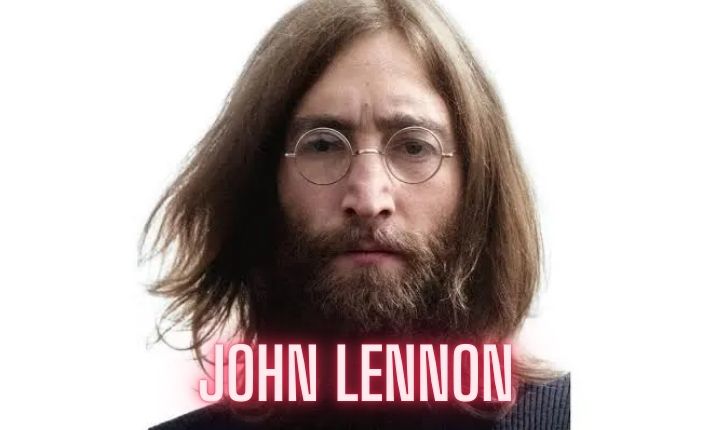
John Lennon remains one of the most influential musicians, songwriters, and cultural figures of the 20th century. Best known as a founding member of The Beatles, his impact extends far beyond music into politics, peace activism, and modern popular culture. Decades after his death, interest in his net worth, personal life, and legacy continues to grow.
Quick Facts
| Detail | Information |
|---|---|
| Full Name | John Winston Ono Lennon |
| Age | Would have been 84 years old (in 2025) |
| Date of Birth | 9 October 1940 |
| Parents | Alfred Lennon, Julia Stanley |
| Net Worth | $800 million to $1 billion (estate estimate, 2025) |
| Height | 5 ft 10 in (178 cm) |
| Spouse/Partner | Cynthia Lennon (1962–1968), Yoko Ono (1969–1980) |
| Childrens | Julian Lennon, Sean Ono Lennon |
| Ethnicity | White British |
| Nationality | British |
| Source of Wealth | Music publishing, royalties, licensing, estate assets |
| Education | Quarry Bank High School, Liverpool College of Art |
Early Life of John Lennon
John Lennon’s early life was shaped by instability, emotional distance, and a defining personal loss. Born in wartime Liverpool in 1940, he grew up during the aftermath of World War II in a working class environment that exposed him early to hardship and social change.
His father, Alfred Lennon, was largely absent during John’s childhood. His mother, Julia Stanley, struggled with stability and eventually placed John in the care of her sister, Mimi Smith. This separation deeply affected Lennon and influenced his later songwriting, particularly his recurring themes of abandonment and identity.
The major turning point came in 1958 when Julia Stanley was killed by a drunk driver. Lennon was 17 years old. Her sudden death marked a permanent emotional rupture that would surface repeatedly in his music and personal relationships. Songs such as “Mother” later reflected unresolved grief and anger from this period.
Music became Lennon’s emotional outlet. Inspired by early rock and roll artists like Elvis Presley and Chuck Berry, he formed a skiffle group called The Quarrymen while still in school. This group laid the foundation for what would later become The Beatles.
John Lennon Career
Formation of The Beatles
In 1957, John Lennon met Paul McCartney at a church fête in Liverpool. The meeting proved decisive. McCartney’s musical ability and discipline complemented Lennon’s raw creativity and rebellious attitude. Soon after, George Harrison joined the group, followed later by Ringo Starr.
By 1960, the group adopted the name The Beatles and began performing extensively in Hamburg, Germany. These performances sharpened their musicianship and stage presence. Lennon emerged as both a leader and provocateur, known for sharp wit and outspoken views.
Global Breakthrough
The Beatles achieved commercial success in the UK with “Love Me Do” and “Please Please Me.” By 1964, they had conquered the United States. Their appearance on The Ed Sullivan Show marked a cultural turning point in American music and youth culture.
Lennon’s songwriting evolved rapidly during this period. Early pop love songs gave way to more introspective and experimental material. Albums such as Rubber Soul and Revolver reflected a growing artistic ambition.
Studio Innovation
Between 1966 and 1970, Lennon helped redefine what a rock band could achieve in the studio. Albums like Sgt. Pepper’s Lonely Hearts Club Band and The White Album explored surrealism, personal trauma, and political themes.
Tensions within the band increased as Lennon’s partnership with Yoko Ono deepened. Creative differences and business disputes eventually led to The Beatles’ breakup in 1970.
Notable Solo Career
After leaving The Beatles, Lennon pursued a solo career marked by emotional honesty and political engagement. His debut solo album, John Lennon Plastic Ono Band, was stark and confessional. Songs like “Working Class Hero” rejected celebrity culture and addressed class struggle.
ALSO READ: George Galloway Activism Career and More
In 1971, Lennon released Imagine. The title track became his most enduring solo song. Its message of peace, unity, and secular humanism resonated worldwide and remains one of the most recognized songs in history.
Other key solo works included:
- Some Time in New York City
- Mind Games
- Walls and Bridges
- Double Fantasy
His later albums balanced personal reflection with musical experimentation. Double Fantasy, released weeks before his death, marked a return to domestic themes and creative partnership with Yoko Ono.
Activism & Cultural Influence
Lennon’s activism became inseparable from his public identity in the early 1970s. Alongside Yoko Ono, he staged high profile peace protests, including the famous “Bed Ins for Peace” during the Vietnam War era.
Songs like “Give Peace a Chance” and “Power to the People” became protest anthems. Lennon used his celebrity platform to criticize war, nationalism, and political hypocrisy.
His activism attracted the attention of U.S. authorities. The Nixon administration attempted to deport Lennon due to his outspoken opposition to the Vietnam War. After a lengthy legal battle, Lennon eventually secured permanent residency in the United States.
Culturally, Lennon reshaped the image of the musician as a political actor. He influenced later generations of artists who viewed music as a tool for social commentary rather than entertainment alone.
What is John Lennon’s Net Worth?
According to multiple estate and music industry analyses, John Lennon’s estate is valued between $800 million and $1 billion as of 2025.
At the time of his death in 1980, Lennon’s personal net worth was estimated at approximately $200 million. Adjusted for inflation and ongoing revenue, the estate has grown substantially.
Asset Breakdown
- Music publishing royalties from The Beatles catalog
- Solo music royalties and licensing
- Merchandising and branding rights
- Real estate holdings associated with the estate
- Intellectual property licensing for film and advertising
The estate continues to generate an estimated $10 million to $20 million annually, making Lennon one of the highest earning deceased musicians.
Personal Life & Relationships
Lennon’s personal life attracted sustained public attention. He married Cynthia Powell in 1962, and they had one son, Julian Lennon. The marriage ended in divorce in 1968 amid growing personal and professional strain.
In 1969, Lennon married Yoko Ono, an avant garde artist who profoundly influenced his life and work. Their relationship was both creative and controversial, often blamed by critics for The Beatles’ breakup.
They had one son together, Sean Ono Lennon, born in 1975. Lennon withdrew from public life for several years to focus on parenting, describing himself as a devoted stay at home father during this period.
Awards, Honors & Recognition
Lennon’s contributions to music and culture earned extensive recognition, both during his life and posthumously.
Major Honors
- Inducted into the Rock and Roll Hall of Fame
- Inducted into the Songwriters Hall of Fame
- Multiple Grammy Awards including Lifetime Achievement
- BRIT Award for Outstanding Contribution to Music
- Star on the Hollywood Walk of Fame
His work consistently ranks among the greatest albums and songs in modern music history.
Controversies
Lennon’s public image included several controversies. He was accused of making inflammatory remarks in interviews, most notably his 1966 comment that The Beatles were “more popular than Jesus.” The statement sparked backlash, particularly in the United States.
He also acknowledged past violent behavior in relationships, particularly during his early adulthood. Lennon later addressed these actions publicly and described efforts to change his behavior.
Political controversies included surveillance and attempted deportation by U.S. authorities, which were later revealed through declassified government documents.
Death & Assassination
On 8 December 1980, John Lennon was shot and killed outside The Dakota apartment building in New York City. The assailant, Mark David Chapman, had been waiting outside the building earlier that day.
Lennon was pronounced dead at Roosevelt Hospital. His death triggered global mourning. Vigils were held worldwide, and millions of fans paid tribute through music, art, and public gatherings.
The assassination remains one of the most shocking events in music history.
Legacy
John Lennon’s legacy transcends music. He is remembered as a symbol of peace, artistic freedom, and cultural rebellion. His songs continue to be used in social movements, films, and educational settings.
His influence can be seen in generations of musicians, activists, and thinkers who view art as a vehicle for change. Lennon’s work remains commercially successful and culturally relevant more than four decades after his death.
Conclusion
John Lennon’s life combined extraordinary creativity with deep personal complexity. From a troubled childhood in Liverpool to global superstardom and political activism, his story continues to attract intense public interest. His net worth, cultural impact, and unfinished potential remain central to his enduring fascination.
FAQs
What was John Lennon’s net worth in 2025?
Estimated between $800 million and $1 billion through his estate.
How did John Lennon die?
He was assassinated in New York City in 1980.
Who were John Lennon’s children?
Julian Lennon and Sean Ono Lennon.
Was John Lennon married?
Yes, to Cynthia Lennon and later to Yoko Ono.
What is John Lennon best known for?
Being a founding member of The Beatles and a solo artist.