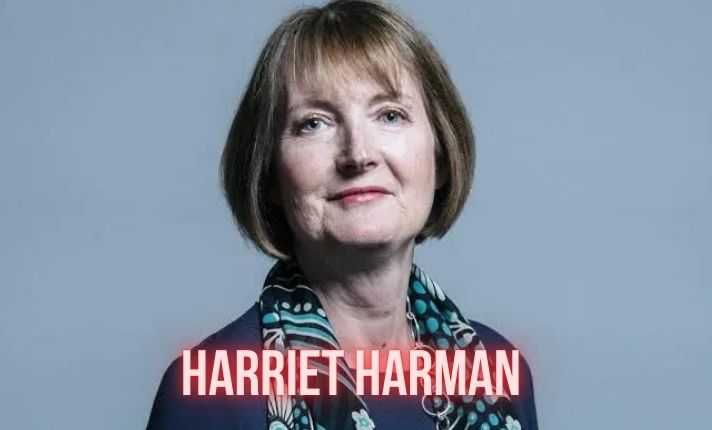
Harriet Harman is one of the most influential figures in modern British politics. Her career spans more than four decades, making her the longest-serving female MP in the history of the UK Parliament. She is known for policymaking on equality, childcare, social security, women’s rights, and political reform. As of 2025, Harman continues to shape public life through her work in the House of Lords and her appointment as the UK Special Envoy for Women and Girls.
Her long political journey includes serving under Tony Blair, Gordon Brown, and leading the Labour Party on two occasions in an acting capacity. She has earned a reputation as a political survivor, a reformer, and an advocate for fairness in public systems. Her influence extends from domestic welfare policy to international diplomatic work on gender equality.
Below are the most essential facts about Harriet Harman updated for 2025.
Quick Facts
| Attribute | Details |
|---|---|
| Full Name | Harriet Ruth Harman |
| Age | 75 years old (as of 2025) |
| Date of Birth | 30 July 1950 |
| Parents | Dr John B. Harman and Anna Spicer |
| Net Worth | Estimated £3 million in 2025 |
| Height | 5 ft 6 in (approx.) |
| Spouse/Partner | Married to Jack Dromey until his passing in 2022 |
| Ethnicity | White British |
| Nationality | British |
| Source of Wealth | Parliamentary salary, pension, book royalties, speaking engagements, property income |
| Education | St Paul’s Girls’ School; BA in Politics from University of York |
Early Life
Harriet Harman was born in Marylebone, London, into a family with intellectual and professional backgrounds. Her father was a prominent physician and her mother a barrister. This environment fostered early exposure to law, public policy, and civic responsibility. Her upbringing helped shape a mindset grounded in public service and analytical thinking.
A key turning point occurred during her late teenage years. While studying at St Paul’s Girls’ School she became interested in social fairness and political inequality. The culture of the late 1960s, defined by debates about civil rights, gender equality, and social reform, influenced her strongly. She grew more aware of the barriers faced by women, including representation in public institutions.
Her decision to study Politics at the University of York became another pivotal moment. She engaged with political societies and debates that strengthened her interest in activism. University life exposed her to structural inequalities and campaigns focused on legal rights. This environment taught her how political systems operate and how change must be pursued at both grassroots and legislative levels.
After completing her degree she trained as a legal officer with the National Council for Civil Liberties. This period deepened her commitment to defending civil rights. The combination of legal training and advocacy provided a foundation for her later legislative work on equality, welfare, and human rights.
This early period was formative in shaping Harman’s political character. Her exposure to inequality, law, and activism became the backbone of her parliamentary priorities and reformist leadership style.
Harriet Harman Career
Parliamentary Career
Harriet Harman entered Parliament in 1982 after winning the Peckham by-election. At that time the House of Commons was overwhelmingly male, with fewer than ten women MPs. Her arrival marked a dramatic contrast in representation and highlighted the gender imbalance of British politics.
She founded the first Parliamentary Labour Party Women’s Group. This internal platform enabled female MPs to coordinate priorities and challenge gender-based obstacles within the party and Parliament. Her early leadership made her a central figure in pushing for gender equality on the national stage.
In 1984 she was appointed Shadow Minister for Social Services by Neil Kinnock. Her portfolio involved health and welfare issues during a period marked by debates about NHS underfunding and social inequality. Her work focused on waiting times, health access, and the impact of Conservative spending cuts.
From 1987 to 1992 she served as Labour’s spokesperson for Health. She worked alongside Robin Cook, who was the lead spokesperson for the portfolio. Together they challenged the government on issues such as nursing shortages and long waiting lists. Harman gained national visibility as a persistent advocate for NHS reform.
In 1994 she became Shadow Employment Secretary. This role was influential in shaping Labour’s early policy thinking around the National Minimum Wage. Her work contributed to the framework that later informed the Low Pay Commission. The goal was to address wage inequality and exploitative labour practices.
In the mid-1990s she held senior shadow positions including Shadow Secretary of State for Health and Shadow Secretary of State for Social Security. Her focus remained on welfare reform, pension inequality, and support for low-income households.
When Labour won the 1997 election under Tony Blair, Harman was appointed Secretary of State for Social Security and the first Minister for Women. She introduced policies aimed at reducing pensioner poverty and supporting working mothers. The Minimum Income Guarantee raised pension incomes and helped reduce financial insecurity for older citizens. She also introduced winter fuel payments for pensioners, which became a widely recognised government support scheme.
Harman championed the New Deal for Lone Parents. This initiative aimed to help single parents transition from welfare into employment, supported by training and childcare. It became one of the major components of Labour’s welfare-to-work strategy.
In 1998 she established the National Childcare Strategy. The programme expanded childcare availability and introduced new regulatory standards. This strategic shift was viewed as essential to supporting women’s participation in the workforce.
Her work on maternity rights included longer maternity leave, increased maternity pay, and new protections for working mothers. She chaired the 2001 Childcare Commission which recommended payments for new parents and further childcare support.
From 2001 to 2005 she served as Solicitor General for England and Wales. This was one of the senior legal offices of the state. Her responsibilities included oversight of government legal matters and advising on human rights legislation.
In 2007 Harman won the Labour Party deputy leadership election, defeating Alan Johnson. The result placed her at the top of the party’s leadership structure. Under Gordon Brown, she was appointed Lord Privy Seal, Leader of the House of Commons, Minister for Women and Equality, and party chair.
After Labour lost the 2010 election she became acting Leader of the Labour Party and acting Leader of the Opposition until Ed Miliband was elected. She later served as Shadow Deputy Prime Minister and held additional roles including Shadow International Development Secretary and Shadow Culture, Media and Sport Secretary.
Her long tenure in Parliament resulted in her being referred to as the Mother of the House, a title given to the female MP with the longest continuous service.
Retirement from Commons and New Roles
Harriet Harman announced in 2021 that she would retire at the next general election. After serving 42 years she formally left the House of Commons in 2024. Her departure marked the end of an era for the Labour Party and for women’s representation in Parliament.
Following the 2024 Dissolution Honours she was elevated to the House of Lords as Baroness Harman of Peckham. Her new role allowed her to continue legislative scrutiny and take part in national reform efforts.
In March 2025 she was appointed the UK Special Envoy for Women and Girls. This diplomatic role involves international advocacy for women’s rights, gender equality, and protection of vulnerable communities. Her duties include working with global organisations, participating in negotiations on gender policy, and advising the British government on international equality commitments.
In the House of Lords she proposed an amendment aimed at removing the automatic right of bishops to sit in the chamber. The proposal argued for modernising the structure of the Lords and aligning it with democratic principles. Her involvement in constitutional reform demonstrates her ongoing interest in institutional change and modern governance.
Her post-Commons roles show her continued influence on public life, policymaking, and international rights advocacy.
Assessment and Reflection
Harriet Harman’s political career stands out for its longevity and impact. She entered Parliament at a time when female representation was rare. Her presence alone challenged long-standing norms and inspired future generations of women to enter politics.
Her major contributions include policy reform on childcare, maternity rights, equal pay, pensioner support, and welfare-to-work programmes. She consistently prioritised gender equality and structural reform across every role she held.
Her strengths include resilience, experience, and the ability to navigate political challenges over multiple decades. She held leadership roles during periods of significant change and internal party transitions. Her understanding of parliamentary procedure and government systems made her a central figure in Labour leadership circles.
Her critics have argued that some of her policies, particularly welfare reforms, had mixed outcomes. Others claimed that some equality initiatives lacked enforcement mechanisms. Harman has acknowledged the challenges of balancing political realities with long-term reform goals.
Overall her career represents a significant chapter in the modernisation of British public life. Her work spans legislation, social reform, constitutional reform, and global advocacy.
What is Harriet Harman’s Net Worth?
According to 2024 and 2025 media estimates, Harriet Harman’s projected net worth is approximately £3 million. Major financial outlets have not published exact figures, but public disclosures and professional income records support this range.
Her income sources include:
• Parliamentary salaries earned during 42 years in office
• Pension entitlements from her service
• Income from property including rental earnings
• Royalties from her 2017 memoir A Woman’s Work
• Paid speaking engagements and advisory roles
• Allowances associated with her position in the House of Lords
Her Register of Interests shows ownership of a property management company and multiple properties in London and Suffolk. These holdings contribute to her overall financial position.
Although exact valuations are not confirmed by Forbes, the £3 million estimate is widely cited across government disclosures and media assessments.
Personal Life and Relationships
Harriet Harman married Jack Dromey in 1982. He was a senior trade union leader and later served as Labour MP for Birmingham Erdington. Their marriage lasted until his death in 2022. The couple had three children and maintained a partnership rooted in mutual political engagement and public service.
Harman has kept her family life relatively private. She often discussed the challenges of balancing parliamentary work with motherhood. Her personal experiences influenced her policymaking on childcare and maternity rights.
She continues to live between London and Suffolk. Her personal interests include reading, writing, and supporting cultural programmes. Harman remains connected to community work, especially on gender rights and legal reform.
Controversies
Harriet Harman has faced several controversies during her long career. These events have been covered widely in the media and parliamentary records.
• She was accused of supporting measures that reduced transparency around MPs’ expenses during the period before the 2009 expenses scandal. Critics alleged that she resisted full disclosure of expenses, although she denied wrongdoing.
• Winter fuel payments introduced under her leadership at Social Security were found to breach European sex discrimination laws because men had to wait longer than women to qualify. The ruling was administrative rather than personal but drew significant attention.
• Welfare reforms including the New Deal for Lone Parents were alleged by some analysts to have placed pressure on single mothers. Supporters argued the programme improved employment outcomes.
• As acting leader in 2015 she directed the Labour Party to abstain on the Welfare Reform and Work Bill. The decision prompted internal rebellion among 48 MPs. The move was criticised by some members for appearing to support government welfare cuts.
• Her election as chair of the Parliamentary Standards Committee in 2023 led to criticism. Some commentators alleged she lacked neutrality due to her past involvement in expenses-related debates.
Each controversy generated public debate but did not lead to disciplinary actions or legal findings against her.
Harriet Harman Legacy and Influence
Harriet Harman’s legacy is defined by her work on equality, social reform, and parliamentary representation. She changed the landscape of women’s involvement in British politics through her advocacy, policymaking, and leadership roles.
Key areas of influence include:
• Improving representation of women in politics through internal Labour reforms
• Establishing the National Childcare Strategy
• Advancing maternity rights, pay, and leave policies
• Creating programmes to support lone parents entering employment
• Supporting pension income increases for low-income seniors
• Strengthening the voice of women within the Labour Party
• Setting precedents for female parliamentary leadership, including acting party leader
• Influencing welfare policy debates across multiple governments
• Promoting constitutional reform and modernisation of the Lords
• Expanding international advocacy as Special Envoy for Women and Girls
Her work has shaped multiple generations of politicians. She is widely recognised as a central figure in the evolution of modern Labour policies and the fight for gender equity.
Conclusion
Harriet Harman’s political journey is one of persistence, reform, and institutional influence. Her contributions to childcare policy, women’s rights, welfare reform, and parliamentary modernisation mark her as one of the defining political figures of the past half-century. Her transition from MP to life peer and international envoy demonstrates her continued relevance in public life.
Her legacy extends across legal, social, political, and diplomatic fields. As of 2025 she remains an authoritative voice on equality, governance, and public accountability. Her impact is evident in modern legislative frameworks and the expanded presence of women in British politics.
FAQs
What is Harriet Harman’s age?
She is 75 in 2025.
What is Harriet Harman’s net worth?
Estimated around £3 million.
Was Harriet Harman ever acting Leader of the Opposition?
Yes, in 2010 and again in 2015.
Is Harriet Harman still active in politics?
Yes, in the House of Lords and as Special Envoy for Women and Girls.
What political party is Harriet Harman associated with?
The Labour Party.