
Celebrity
David Hockney Net Worth, Wife, Age, Paintings Sales, Exhibitions, Career and More

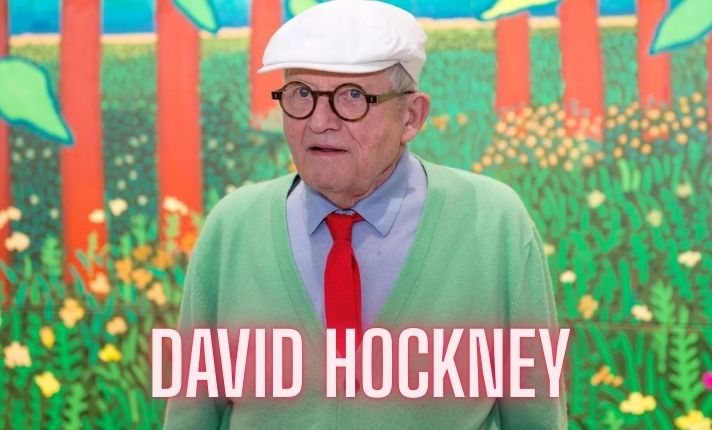
David Hockney is a British painter, draftsman, printmaker, photographer, stage designer, and theorist widely regarded as one of the most influential artists of the 20th and 21st centuries. A central figure in the Pop Art movement and later a pioneer of digital art, Hockney reshaped how modern audiences understand space, colour, perception, and visual storytelling. By 2025, he stands not only as a prolific creator but as a living institution in global art history.
- Quick Facts
- Early Life & Origin Story
- Art Education and Intellectual Formation
- Early Career and the Rise of British Pop Art
- Move to California and Artistic Transformation
- Artistic Innovation and Theories of Seeing
- Stage Design and Cross-Disciplinary Work
- Later Career and Digital Art
- What Is David Hockney’s Net Worth?
- Personal Life & Relationships
- Controversies
- Legacy
- Conclusion
- FAQs
Quick Facts
| Detail | Information |
|---|---|
| Full Name | David Hockney |
| Age (2025) | 87 |
| Date of Birth | 9 July 1937 |
| Place of Birth | Bradford, West Yorkshire, England |
| Parents | Kenneth and Laura Hockney |
| Height | Approx. 5 ft 9 in (1.75 m) |
| Spouse/Partner | Not married |
| Children | None |
| Ethnicity | White British |
| Nationality | British |
| Profession | Artist, painter, draftsman |
| Source of Wealth | Fine art sales, exhibitions, royalties |
| Education | Royal College of Art |
| Net Worth (2025) | Estimated £100 million to £150 million |
Early Life & Origin Story
David Hockney was born on 9 July 1937 in Bradford, an industrial city in West Yorkshire. He grew up in a working-class household shaped by post-war austerity, civic duty, and intellectual curiosity. His father, Kenneth Hockney, was a conscientious objector during World War II and a strong believer in independent thought.
From an early age, Hockney demonstrated exceptional visual sensitivity. He drew constantly, not as recreation but as observation. Factories, streets, interiors, and faces became visual problems to be solved.
Unlike many artists who emerge from bohemian environments, Hockney’s creativity developed within discipline and constraint. This tension between freedom and structure would later define his artistic philosophy.
The turning point of his youth came during formal art education. Teachers quickly recognised that Hockney was not merely skilled but conceptually driven. He was interested in how images work, not just how they look.
Art Education and Intellectual Formation
Bradford College of Art
Hockney studied at the Bradford College of Art, where he absorbed traditional techniques while questioning academic conventions. He was less interested in realism than in representation.
He challenged tutors by refusing to follow stylistic orthodoxy, insisting on personal symbolism and experimentation. This resistance was not rebellion but conviction.
Royal College of Art
Hockney later attended the Royal College of Art, where he encountered a generation of artists who would define British modernism. He graduated despite initial resistance from the institution, which questioned his unconventional approach.
At the RCA, Hockney began exploring sexuality, identity, and narrative through coded imagery. At a time when homosexuality was still criminalised in Britain, his work carried quiet defiance.
This period marked the emergence of Hockney not just as an artist but as a thinker.
Early Career and the Rise of British Pop Art
London and the 1960s Art Scene
In the early 1960s, Hockney became associated with British Pop Art, though his work never fully aligned with its commercial irony. While contemporaries focused on mass media imagery, Hockney pursued personal experience.
His early paintings explored love, desire, and daily life with symbolic abstraction. Text, geometry, and figurative elements coexisted within the same canvas.
Critics quickly identified him as a distinctive voice rather than a follower of trends.
Sexual Identity in Art
Hockney was among the first British artists to openly reference same-sex relationships in his work. Rather than overt activism, his approach normalised intimacy through depiction.
These works challenged cultural norms quietly but persistently, contributing to broader social change through representation.
Move to California and Artistic Transformation
Relocation and Cultural Shift
In the mid-1960s, Hockney moved to Los Angeles. The relocation proved transformative. California’s light, architecture, and openness reshaped his palette and subject matter.
He was fascinated by swimming pools, modern homes, and spatial clarity. These elements became central motifs in his work.
The contrast between British greys and Californian brightness marked a radical shift in his visual language.
The Swimming Pool Paintings
Hockney’s pool paintings are among the most recognisable works of modern art. They explored transparency, reflection, and movement through deceptively simple forms.
Water became both subject and conceptual challenge. How does one paint something constantly in motion.
These works cemented Hockney’s international reputation and commercial success.
Artistic Innovation and Theories of Seeing
Photography and Multiple Perspectives
Hockney rejected single-point perspective as artificial. He believed it misrepresented how humans actually see the world.
He experimented with photographic collages composed of multiple images taken from different angles and moments. These works challenged conventional notions of time and space.
His approach anticipated later digital techniques by decades.
Theories on Optics
Hockney proposed controversial theories suggesting that Old Masters used optical devices to achieve realism. These ideas sparked debate but reinforced his reputation as an intellectual provocateur.
Whether accepted or disputed, his theories reopened scholarly conversations about art history.
Stage Design and Cross-Disciplinary Work
Beyond painting, Hockney designed sets for opera and theatre. His stage work demonstrated mastery of colour, scale, and spatial illusion.
Unlike decorative set designers, Hockney treated the stage as a total artwork. Every element contributed to narrative atmosphere.
This cross-disciplinary success reinforced his belief that art is not medium-specific.
Later Career and Digital Art
Embracing Technology
In later life, Hockney embraced digital tools with enthusiasm. He created works using tablets and digital drawing applications.
Rather than viewing technology as a threat, he saw it as an extension of traditional drawing.
His digital works were exhibited alongside oil paintings, challenging hierarchies of medium.
Return to Yorkshire Landscapes
Hockney returned to the landscapes of his youth, painting the Yorkshire countryside with renewed intensity.
These works combined digital sketches with large-scale paintings, blending innovation with nostalgia.
They reaffirmed his lifelong fascination with perception and place.
What Is David Hockney’s Net Worth?
As of 2025, David Hockney’s net worth is estimated between £100 million and £150 million.
Primary Income Sources
- Fine art sales at auction and private sale
- Museum retrospectives and licensing
- Print editions and royalties
- Intellectual property and publication rights
Several of his works have achieved record-breaking prices, placing him among the wealthiest living artists.
Personal Life & Relationships
David Hockney has never married and has no children.
He has maintained long-term personal relationships while valuing independence. Privacy and autonomy are central to his lifestyle.
Hockney lives between England and Europe, continuing to work daily well into his late eighties.
Controversies
Hockney’s controversies have been intellectual rather than personal.
His theories on optics sparked academic dispute. His refusal to follow institutional expectations occasionally created friction.
He has also spoken critically about smoking bans and modern cultural norms, generating debate.
None of these controversies have diminished his artistic standing.
Legacy
David Hockney’s legacy is monumental.
He expanded what painting could be in an age dominated by photography and digital media. He proved that innovation and tradition are not opposites.
His influence spans generations, mediums, and disciplines. Museums, scholars, and artists continue to engage with his ideas.
He is widely regarded as one of the greatest British artists of all time.
Conclusion
David Hockney’s career reflects fearless curiosity and relentless experimentation. From Bradford to California, from canvas to tablet, he has never stopped questioning how we see.
By 2025, his work remains vibrant, relevant, and intellectually challenging. Few artists achieve such longevity without stagnation.
Hockney’s art does not merely depict the world. It teaches us how to look at it.
FAQs
Who is David Hockney?
He is a British artist and painter.
How old is David Hockney in 2025?
He is 87 years old.
What is David Hockney best known for?
Swimming pool paintings and modern landscape art.
What is David Hockney’s net worth?
His net worth is estimated between £100 million and £150 million.
Is David Hockney still working?
Yes, he continues to create art actively.
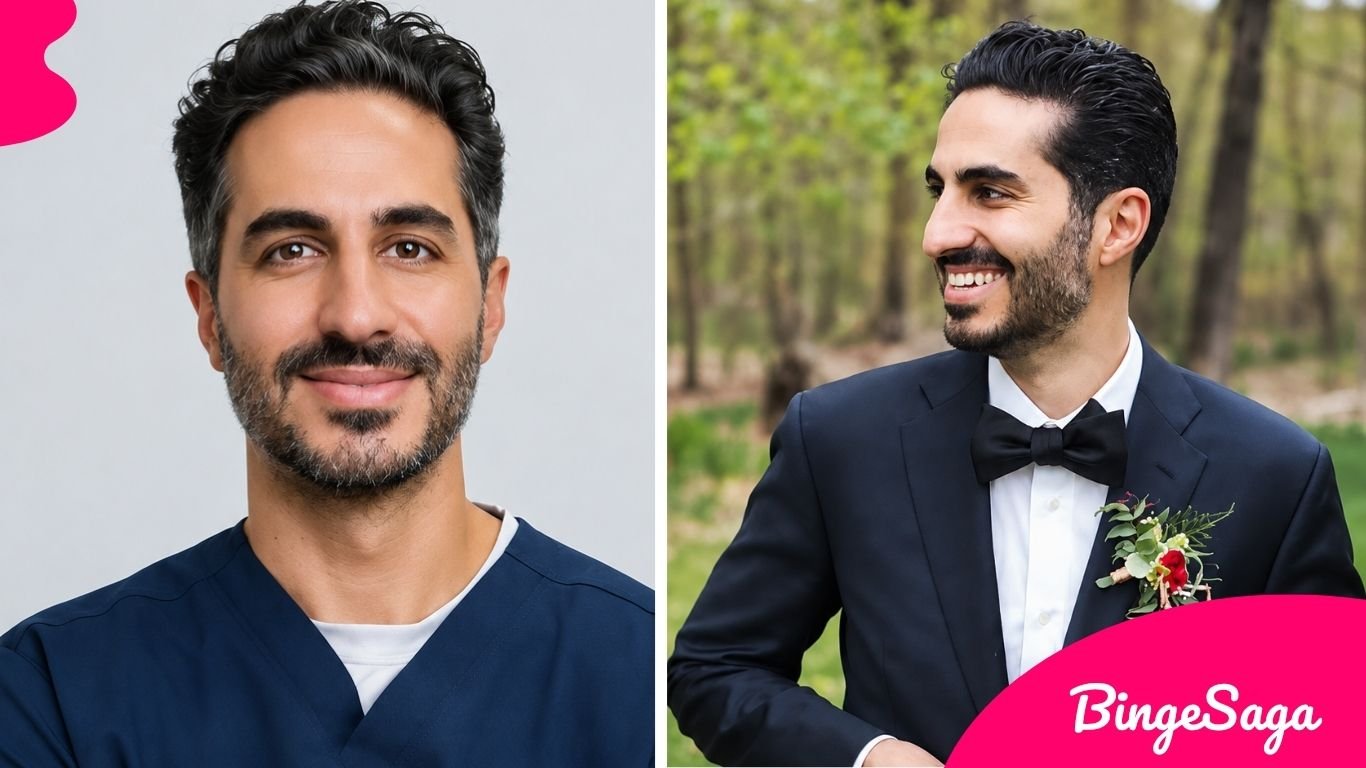
Nieku Manshadi is an American board-certified pediatric dentist who is known for his work with children’s dental care. He became widely recognized after his marriage to actress Elizabeth Lail, known for her roles in Once Upon a Time and You. Unlike his wife, Nieku has mostly stayed away from the entertainment world and focused on his medical career.
- Quick Facts
- Nieku Manshadi’s Early Life and Family Background
- Nieku Manshadi’s Education
- Nieku Manshadi’s Career as a Pediatric Dentist
- Nieku Manshadi’s Professional Work
- Nieku Manshadi’s Humanitarian and Community Work
- Nieku Manshadi and Elizabeth Lail’s Love Story
- Nieku Manshadi’s Engagement and Wedding With Elizabeth Lail
- Nieku Manshadi’s Life Away From Fame
- Nieku Manshadi’s Role as Elizabeth Lail’s Husband
- Final Thoughts
- FAQs
Nieku was born on March 27, 1982, in the United States and comes from a family with Iranian roots. He earned his Doctor of Dental Surgery degree and built a career helping children feel comfortable during dental visits. He married Elizabeth Lail in 2021, and the couple has kept their personal life private.
Quick Facts
| Details | Information |
|---|---|
| Full Name | Nieku Manshadi |
| Date of Birth | March 27, 1982 |
| Birthplace | United States |
| Nationality | American |
| Ethnic Background | Iranian roots |
| Profession | Pediatric Dentist |
| Known For | Husband of actress Elizabeth Lail |
| Education | University of the Pacific Arthur A. Dugoni School of Dentistry |
| Degree | Doctor of Dental Surgery (DDS) |
| Pediatric Training | Boston University |
| Parents | Farzin Manshadi and Mojgan Manshadi |
| Sibling | Leila Manshadi |
| Wife | Elizabeth Lail |
| Marriage Date | April 24, 2021 |
| Wedding Location | Hasbrouck House, Stone Ridge, New York |
Nieku Manshadi’s Early Life and Family Background
Nieku Manshadi was born on March 27, 1982, in the United States. He has Iranian family roots. His parents are Farzin Manshadi and Mojgan Manshadi.
Nieku Manshadi grew up with strong family support. His sister, Leila Manshadi, is also a dentist. His family and education helped guide him toward a career in healthcare.
Nieku Manshadi’s Education
Nieku Manshadi wanted a career where he could help people. This interest led him to study dentistry and work with patients.
He earned his Doctor of Dental Surgery (DDS) degree from the University of the Pacific Arthur A. Dugoni School of Dentistry. He later completed pediatric dental training through a residency program at Boston University.
His training prepared him to work with children. Pediatric dentistry needs patience and care because many children feel nervous during dental visits.
Nieku Manshadi’s Career as a Pediatric Dentist
Nieku Manshadi is a pediatric dentist who focuses on children’s oral health. He helps young patients maintain healthy teeth and feel relaxed during treatment.
He also works with children who need special care during dental visits. His goal is to create a safe and friendly place where children can receive proper dental care.
Nieku Manshadi has built his career around helping families. His work in dentistry remains the most important part of his professional life.
Nieku Manshadi’s Professional Work
Nieku Manshadi has worked in pediatric dental practices that provide care for children and families. He has helped create better dental experiences for young patients.
He is the Co-founder and Clinical Director of Pediatric Dentistry at Orthodent Management. In this role, he supports pediatric dental care and helps improve services for patients.
Nieku Manshadi has also worked in different dental communities during his career. His experience has helped him understand the needs of many children and families.
Nieku Manshadi’s Humanitarian and Community Work
Nieku Manshadi has taken part in dental outreach work to help people who have limited access to dental care. He has used his skills during humanitarian missions in Ecuador and the Philippines.
His volunteer work shows his care for helping others. He believes dental care should be available to people who need it.
Along with his daily work, Nieku Manshadi continues to support better dental health for children and families. His career combines medical care with service to others.
Nieku Manshadi and Elizabeth Lail’s Love Story
Nieku Manshadi became known to many people after his relationship with actress Elizabeth Lail. The two met at a friend’s party in Williamsburg, Brooklyn. Their meeting later grew into a strong relationship.
Nieku Manshadi and Elizabeth Lail have kept their personal life private. They do not share many details about their relationship, but people have shown interest in their love story.
Elizabeth Lail is known for her acting roles in shows like Once Upon a Time and You. Nieku works in the healthcare field as a pediatric dentist. Their careers are different, but both have built success in their own areas.
Nieku Manshadi’s Engagement and Wedding With Elizabeth Lail
Nieku Manshadi and Elizabeth Lail got engaged in August 2020. The proposal happened during a trip to Montauk, New York. It was a special moment for the couple.
The couple married on April 24, 2021. Their wedding was held at Hasbrouck House in Stone Ridge, New York. They had a small ceremony with close family and friends.
Nieku Manshadi and Elizabeth Lail chose to keep their wedding simple and private. They focused on celebrating their marriage instead of having a large public event.
Nieku Manshadi’s Life Away From Fame
Although Nieku Manshadi is married to an actress, he lives a quiet life. His main focus is his work as a pediatric dentist and caring for young patients.
Nieku Manshadi does not often appear in the media. He is mostly known for his dental career and his work with children.
His private lifestyle allows him to spend time on his career and family. He and Elizabeth Lail continue to follow their own professional paths.
Nieku Manshadi’s Role as Elizabeth Lail’s Husband
Many people search for Nieku Manshadi because he is married to Elizabeth Lail. However, he has built his own career and achievements in dentistry.
Nieku Manshadi supports Elizabeth Lail’s acting career while continuing his own work in healthcare. Their careers are different, but they both focus on doing their jobs well.
The couple shows that two people from different fields can build a life together. They continue to keep their relationship away from too much public attention.
Final Thoughts
Nieku Manshadi has created his own successful path as a pediatric dentist. His work focuses on helping children receive better dental care.
While many people know him because of his marriage to Elizabeth Lail, his career is an important part of his story. His education, dental work, and community efforts show his dedication to helping others.
Nieku Manshadi continues to balance his professional life and family life while staying away from the spotlight. His journey shows how a person can build success through hard work, care, and dedication.
FAQs
Who is Nieku Manshadi?
Nieku Manshadi is an American pediatric dentist and the husband of actress Elizabeth Lail.
What does Nieku Manshadi do for a living?
Nieku Manshadi is a board-certified pediatric dentist who provides dental care for children.
When did Nieku Manshadi marry Elizabeth Lail?
Nieku Manshadi married Elizabeth Lail on April 24, 2021, in Stone Ridge, New York.
Where did Nieku Manshadi study dentistry?
Nieku Manshadi earned his DDS degree from the University of the Pacific Arthur A. Dugoni School of Dentistry and completed pediatric training at Boston University.
Does Nieku Manshadi have a family background in dentistry?
Yes, his sister Leila Manshadi is also connected to the dental field.
Read Also: Who Was Edith Mack Hirsch? The Life of Desi Arnaz’s Second Wife
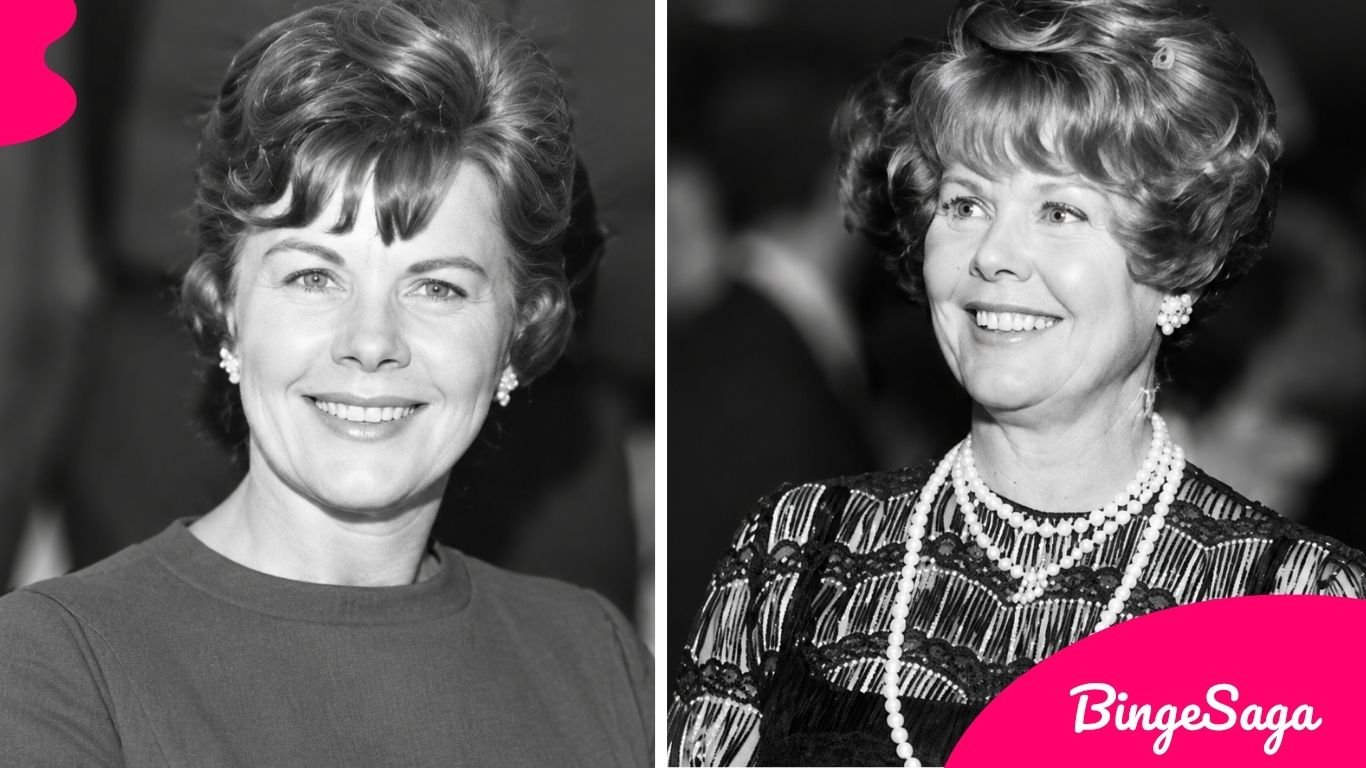
Edith Mack Hirsch was the second wife of Cuban-American actor, musician, and television pioneer Desi Arnaz. She was born on April 15, 1917, and became known for her long marriage to the I Love Lucy star. Unlike many people connected to Hollywood, Edith lived a private life away from fame and public attention.
- Quick Bio
- Edith Mack Hirsch’s Early Life
- Edith Mack Hirsch’s Career Before Marriage
- How Edith Mack Hirsch Met Desi Arnaz?
- Edith Mack Hirsch and Desi Arnaz’s Marriage
- Life Away From Hollywood Fame
- Edith Mack Hirsch’s Relationship With Desi Arnaz’s Family
- Edith Mack Hirsch and Lucille Ball’s Connection
- Edith Mack Hirsch’s Lifestyle and Personality
- Edith Mack Hirsch’s Death and Final Years
- Desi Arnaz After Edith Mack Hirsch’s Passing
- Edith Mack Hirsch’s Legacy
- Bottom Line
- FAQs
Edith married Desi Arnaz in 1963, and the couple stayed together for more than 20 years until her death in 1985. She was part of Desi’s life during his later years when he moved away from the busy Hollywood spotlight. This article explores Edith Mack Hirsch’s early life, career, marriage, family connections, and legacy.
Quick Bio
| Information | Details |
|---|---|
| Full Name | Edith Mack Hirsch |
| Birth Name | Edith Mack McSkimming (reported by some sources) |
| Date of Birth | April 15, 1917 |
| Place of Birth | United States |
| Nationality | American |
| Known For | Second wife of Desi Arnaz |
| Husband | Desi Arnaz |
| Marriage Date | March 2, 1963 |
| Marriage Place | Sands Hotel, Las Vegas (reported) |
| Previous Known Career | Public relations executive (reported) |
| Children | None with Desi Arnaz |
| Stepchildren | Lucie Arnaz and Desi Arnaz Jr. |
| Death Date | March 23, 1985 |
| Age at Death | 67 years old |
| Cause of Death | Cancer (reported) |
Edith Mack Hirsch’s Early Life
Edith Mack Hirsch was born on April 15, 1917. Some sources report that her birth name was Edith Mack McSkimming. Details about her childhood, parents, and education are not widely known.
Before becoming connected to Hollywood, Edith lived a private life. She was different from Desi Arnaz, who was known around the world for his work in television and entertainment.
Edith Mack Hirsch stayed away from fame for most of her life. Her quiet personality remained a key part of her identity even after she married one of television’s biggest stars.
Edith Mack Hirsch’s Career Before Marriage
Before her marriage to Desi Arnaz, Edith Mack Hirsch was reported to have worked in public relations. Some reports describe her as a public relations executive in the hotel industry.
Her professional life was separate from the entertainment world. While Desi built a career on stage and television, Edith worked behind the scenes in a different field.
Little information is available about her full career history. However, she had her own life and work before becoming known as Desi Arnaz’s wife.
How Edith Mack Hirsch Met Desi Arnaz?
Edith Mack Hirsch met Desi Arnaz after his divorce from Lucille Ball in 1960. Desi and Lucille were one of Hollywood’s most famous couples and became known worldwide for I Love Lucy.
After his first marriage ended, Desi entered a new chapter of his life. His relationship with Edith grew away from the heavy media attention that followed his years with Lucille Ball.
Edith preferred a private lifestyle, and this matched the quieter life Desi wanted during his later years. Their relationship gave Desi a new sense of stability after years in the public eye.
Edith Mack Hirsch and Desi Arnaz’s Marriage
Edith Mack Hirsch and Desi Arnaz married on March 2, 1963. Their wedding took place at the Sands Hotel in Las Vegas. The date was also Desi Arnaz’s 46th birthday.
Their marriage lasted for more than 20 years until Edith’s death in 1985. During their time together, Edith supported Desi as he moved away from some of the pressure of Hollywood.
The couple did not have children together. However, Desi already had two children from his first marriage to Lucille Ball, Lucie Arnaz and Desi Arnaz Jr.
Life Away From Hollywood Fame
After their marriage, Edith and Desi Arnaz chose a quieter lifestyle away from the center of Hollywood. They spent much of their time in Del Mar, California, where they enjoyed a more private life.
Edith did not try to become famous herself. She stayed away from interviews and public events, choosing to focus on her personal life with Desi.
For Desi Arnaz, this period was different from his earlier years filled with television, music, and public appearances. Edith became an important part of his life during this calmer stage.
Edith Mack Hirsch’s Relationship With Desi Arnaz’s Family
Desi Arnaz had two children from his marriage to Lucille Ball, Lucie Arnaz and Desi Arnaz Jr. Both children remained an important part of his life after his divorce.
After marrying Desi, Edith became connected to the Arnaz family. She shared many years with Desi and was part of his family life during his second marriage.
Edith’s role in the family was different from Lucille Ball’s, but she became an important person in Desi Arnaz’s later years. Her support helped create a peaceful home life away from the spotlight.
Edith Mack Hirsch and Lucille Ball’s Connection
Before Edith Mack Hirsch became Desi Arnaz’s second wife, Desi shared a famous marriage with Lucille Ball. Their relationship became one of the most remembered stories in television history. Together, they created I Love Lucy, one of the most popular shows of its time.
After Desi and Lucille divorced in 1960, their lives moved in different directions. Desi later married Edith, while Lucille continued her own career and personal life. Their shared history remained important because of their children and the success they built together.
Edith became part of Desi Arnaz’s life after this famous chapter. She was not involved in the entertainment world like Lucille Ball, and she chose to keep her own life private.
Edith Mack Hirsch’s Lifestyle and Personality
Edith Mack Hirsch was known for staying away from fame. She did not look for attention or try to become a public figure. Instead, she focused on her home life and her relationship with Desi Arnaz.
Her quiet nature was different from the busy Hollywood lifestyle around her. While Desi was known by millions of fans, Edith preferred a simple and peaceful life away from the spotlight.
Many years after her marriage, people still remember edith mack hirsch because of the calm and private life she shared with Desi. She became an important person in his later years without seeking public recognition.
Edith Mack Hirsch’s Death and Final Years
Edith Mack Hirsch died on March 23, 1985, at the age of 67. Reports state that she died after battling cancer. Her death ended a marriage that had lasted for more than two decades.
The loss of Edith was a difficult time for Desi Arnaz. After spending many years together, Desi lost his longtime partner and companion. Their marriage had been an important part of his personal life.
Even after her death, Edith remained remembered as the woman who shared Desi Arnaz’s later years. Her life story continues to interest fans who want to learn more about the person behind the famous actor.
Desi Arnaz After Edith Mack Hirsch’s Passing
After Edith’s death, Desi Arnaz continued to face health problems. He died on December 2, 1986, about a year after losing his wife. His death marked the end of the life of one of television’s most famous pioneers.
Desi’s career left a major mark on television, but his personal life was also an important part of his story. His marriage to Edith showed a quieter side of him that many fans did not see during his years of fame.
Edith Mack Hirsch remained a meaningful part of Desi’s final years. Their relationship was different from his highly public first marriage, but it was an important chapter in his life.
Edith Mack Hirsch’s Legacy
Edith Mack Hirsch is remembered mainly because of her connection to Desi Arnaz. However, her story is also about a woman who valued privacy and supported her husband during an important stage of his life.
Unlike many people connected to Hollywood, Edith did not build her name through acting or television. She became known because of the quiet role she played beside one of the entertainment world’s biggest stars.
Today, people continue to search for information about edith mack hirsch because they want to understand more about Desi Arnaz’s life after Lucille Ball. Her story shows a different side of fame, where support and personal connections can be just as important as public success.
Bottom Line
Edith Mack Hirsch lived a private life before becoming the second wife of Desi Arnaz. Their marriage began in 1963 and lasted for more than 20 years, making her an important part of his later journey.
She stayed away from Hollywood attention and focused on her relationship with Desi. While she was not a performer or a public figure, she played an important role in the life of a television legend.
The story of Edith Mack Hirsch remains interesting because it shows the quieter side of celebrity life. Behind every famous person, there are often people who provide care, support, and stability away from the public eye.
FAQs
Who was Edith Mack Hirsch?
Edith Mack Hirsch was an American woman best known as the second wife of actor and television pioneer Desi Arnaz. She lived a private life away from Hollywood fame.
When did Edith Mack Hirsch marry Desi Arnaz?
Edith Mack Hirsch married Desi Arnaz on March 2, 1963. Their wedding date was also Desi Arnaz’s 46th birthday.
Did Edith Mack Hirsch have children with Desi Arnaz?
No, Edith Mack Hirsch and Desi Arnaz did not have children together. Desi had two children, Lucie Arnaz and Desi Arnaz Jr., from his marriage to Lucille Ball.
What was Edith Mack Hirsch known for?
Edith Mack Hirsch was known mainly as Desi Arnaz’s second wife. She was also reported to have worked in public relations before her marriage.
How did Edith Mack Hirsch die?
Edith Mack Hirsch died on March 23, 1985, at the age of 67. Reports state that she died after battling cancer.
Real Also: Who Is Samaya White? The Real Life Of Jaleel White’s Daughter
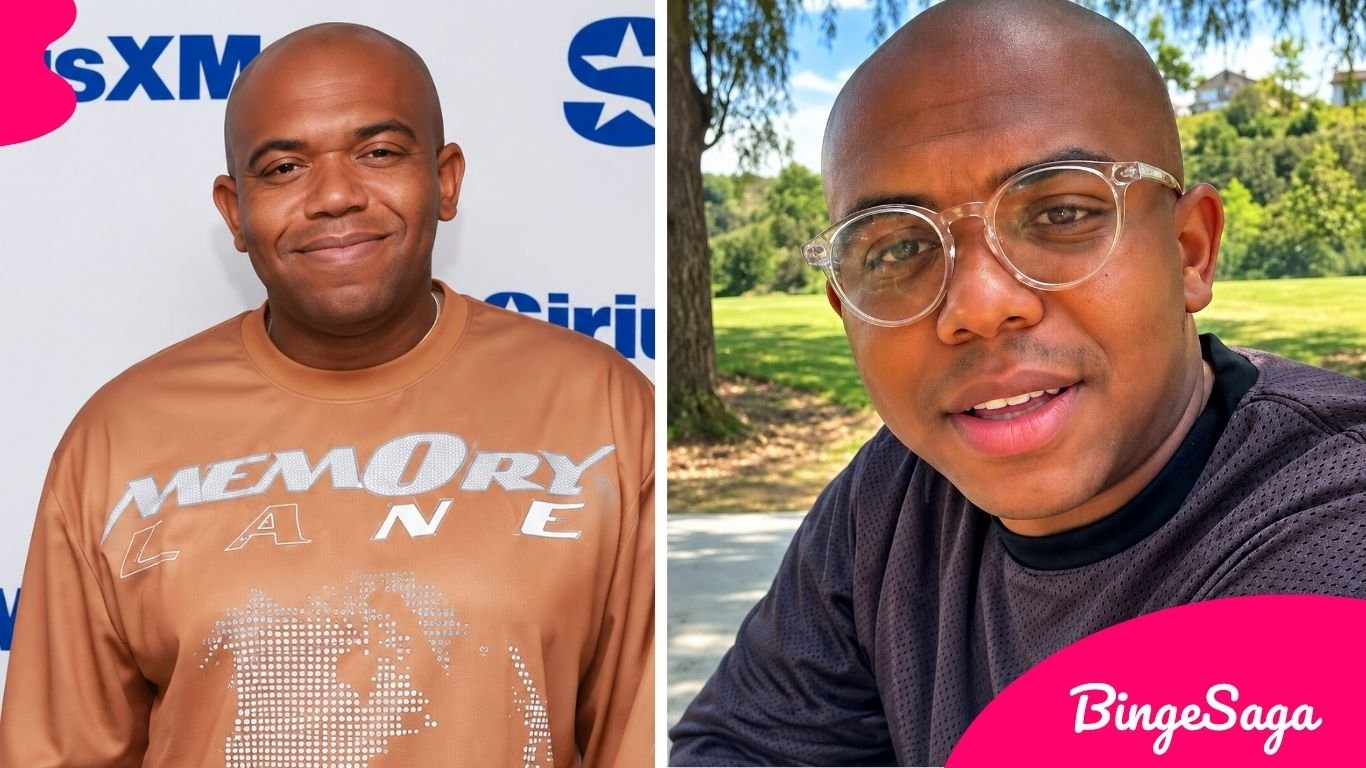
Xen Martin is the eldest son of American actress and singer Tisha Campbell and actor Duane Martin. He was born on August 8, 2001, in Los Angeles, California. Xen became known through his famous parents, but he has built his own identity through his autism journey, education, and advocacy work.
- Quick Bio
- Who Is Xen Martin?
- Xen Martin’s Early Life and Family Background
- Xen Martin’s Autism Diagnosis and Childhood Journey
- How Xen Martin Inspired Tisha Campbell’s Autism Advocacy?
- Xen Martin’s Education and Interest in Zoology
- Xen Martin’s Media Appearances
- Xen Martin’s Relationship With His Mother
- Where Is Xen Martin Today?
- FAQs
Xen was diagnosed with autism at 18 months old, and his journey became an important part of Tisha Campbell’s autism awareness efforts. He has studied zoology, taken part in autism advocacy programs, and shared his experiences with his mother through public appearances and their book, The A Word: A Mother’s Journey Through Autism and Love.
Quick Bio
| Details | Information |
|---|---|
| Full Name | Xen Martin |
| Date of Birth | August 8, 2001 |
| Birthplace | Los Angeles, California, USA |
| Age | 25 years (as of 2026) |
| Nationality | American |
| Parents | Tisha Campbell and Duane Martin |
| Sibling | Ezekiel Czar Martin |
| Known For | Son of Tisha Campbell and autism awareness advocate |
| Autism Diagnosis | Diagnosed at 18 months old |
| Education | Attended Moorpark College |
| Field of Study | Zoology |
| Advocacy Work | Autism awareness and public speaking |
| Book | The A Word: A Mother’s Journey Through Autism and Love |
| Mother’s Organization Connection | Colored My Mind autism awareness work |
Who Is Xen Martin?
Xen Martin is the oldest child of Tisha Campbell and Duane Martin. His parents married in 1996 and welcomed Xen in 2001. He also has a younger brother named Ezekiel Czar Martin, who was born in 2009.
Although Xen was born into a famous family, he has followed his own path. He became known for his personal journey and his connection with autism awareness. His mother has shared parts of their experience to help others understand autism.
Xen’s life has included many important moments, from his childhood experiences to his education and public appearances. His story has mainly been shared through his family’s efforts to raise awareness about autism.
Xen Martin’s Early Life and Family Background
Xen Martin was raised by Tisha Campbell and Duane Martin in Los Angeles, California. Growing up, he was surrounded by a family with strong ties to acting and entertainment. However, his own life has focused more on personal growth and learning.
Tisha Campbell has often spoken about her role as a mother and how raising Xen shaped her understanding of autism. She has shared her experiences to help other families learn more about autism and find support.
Xen grew up with the support of his parents and his younger brother. His family has celebrated his achievements and the progress he has made throughout his life.
Xen Martin’s Autism Diagnosis and Childhood Journey
Xen Martin was diagnosed with autism when he was 18 months old. His diagnosis was an important moment for his family, and Tisha Campbell began learning more about autism to better support her son.
After his diagnosis, Xen received support and therapy during his early years. His family focused on helping him develop communication skills and become more independent.
As Xen grew older, he continued learning and building new skills. His journey has been shared by his mother as part of her work to increase autism awareness.
How Xen Martin Inspired Tisha Campbell’s Autism Advocacy?
Xen Martin’s autism journey encouraged Tisha Campbell to become more involved in autism awareness. She has spoken publicly about the experiences of raising a child with autism and the importance of understanding each child’s needs.
Tisha Campbell also helped create awareness through Colored My Mind, an organization focused on autism education and support. The work was inspired by her experiences with Xen and her desire to help other families.
Xen’s experiences have remained an important part of his family’s public discussions about autism. His journey later became connected to his education, advocacy efforts, and public appearances.
Xen Martin’s Education and Interest in Zoology
After high school, Xen Martin continued his education and worked toward his personal goals. He graduated from high school in 2020. Later, reports stated that he attended Moorpark College and studied zoology. His interest in animals and science became an important part of his learning journey.
Xen Martin has always followed a path that is different from his parents’ careers. While Tisha Campbell and Duane Martin became known for acting, Xen focused on his own interests. His studies in zoology show his love for learning about animals and the natural world.
Education has been an important part of Xen’s growth. Over the years, he has continued to build new skills and gain more confidence. His journey shows how people can find success by following their own interests and goals.
Xen Martin’s Media Appearances
Xen Martin became known for sharing parts of his autism journey with the public. Along with his mother, Tisha Campbell, he has helped bring attention to autism awareness. Their work has focused on sharing real experiences and helping people learn more about autism.
Xen has taken part in programs that support people with developmental disabilities. He participated in the Spectrum Shield program by IDD Safe. The program helps people learn about safety, communication, and ways to interact with law enforcement.
In 2026, Xen Martin and Tisha Campbell also shared more about their journey through their book, “The A Word: A Mother’s Journey Through Autism and Love.” The book covers their experiences from Xen’s early diagnosis to his adult life. It gives readers a look at their family journey and the lessons they learned along the way.
Xen Martin’s Relationship With His Mother
Xen Martin and his mother, Tisha Campbell, share a close relationship. Tisha has often spoken about how raising Xen changed her life and helped her understand more about autism. She has shared their experiences while also respecting Xen’s personal life.
As Xen grew older, his mother continued to support his goals and achievements. She has celebrated important moments in his life, including his education and personal growth.
Their bond has been a major part of Xen’s public story. Together, they have shared their experiences to help other families understand autism and the challenges that can come with it.
Where Is Xen Martin Today?
Xen Martin continues to focus on his education, interests, and advocacy work. He has stayed away from building a career in entertainment like his parents. Instead, he has created his own path through learning and sharing his experiences.
Many details about Xen Martin’s private life are not publicly available. However, he remains known for his autism journey, his connection with his family, and his efforts to support autism awareness.
Xen Martin’s life journey has included many important moments. From his early childhood diagnosis to his education and public work, he has continued to grow and follow his own goals. His story remains connected to his family, his interests, and his work to spread understanding about autism.
FAQs
Who is Xen Martin?
Xen Martin is the son of actress Tisha Campbell and actor Duane Martin. He is known for his autism journey and advocacy work.
When was Xen Martin born?
Xen Martin was born on August 8, 2001, in Los Angeles, California.
Who are Xen Martin’s parents?
Xen Martin’s parents are actress Tisha Campbell and actor Duane Martin.
When was Xen Martin diagnosed with autism?
Xen Martin was diagnosed with autism when he was 18 months old.
What did Xen Martin study?
Reports state that Xen Martin studied zoology at Moorpark College.
Also Read: Who Is Samaya White? The Real Life Of Jaleel White’s Daughter

Denim Tears: How Fashion, History and Street Culture Come Together

What Is Feschon? Understanding the New Meaning Behind Personal Expression

What Is Babybelletje? Discover the Story Behind the Famous Red Cheese
Alex Pettyfer Net Worth, Wife, Age, Height, Children, Career and More
Brad Williams Net Worth, Wife, Height, Age, Daughter, Family, Career and More

Eldorado.gg Review 2026: How It Works, Safety, Fees, and Risks
-
Celebrity9 months ago
Alex Pettyfer Net Worth, Wife, Age, Height, Children, Career and More
-
Celebrity9 months ago
Brad Williams Net Worth, Wife, Height, Age, Daughter, Family, Career and More
-
Blog3 weeks ago
Eldorado.gg Review 2026: How It Works, Safety, Fees, and Risks
-
 Anime10 months ago
Sanzoku Bandits of One Piece: Origins, Higuma, and Their Role in Dawn Island
-
 Celebrity9 months ago
John McGinn Net Worth, Age, Height, Wife, Childrens, Career and More
-
 Celebrity9 months ago
Frances de la Tour Net Worth, Age, Height, Husband, Childrens, Career and More
-
 Blog3 weeks ago
What Is Troozer.com? A Clear Guide to the Digital Content Site
-
 Celebrity9 months ago
Will Trickett Net Worth, Wife, Childrens, Age, Career and More